At-Home Skincare Devices have gained strong attention as more people seek effective solutions outside clinical settings. You now have access to tools that once belonged only in professional offices. As a result, your skincare routine can include advanced technology without leaving home.
Moreover, many consumers value convenience and control over their routines. You can treat your skin on your schedule, which feels practical and efficient. At the same time, you may wonder how these tools compare to professional treatments. This question matters because results, cost, and safety all influence your decisions.
In many cases, brands promote impressive outcomes that mirror clinical procedures. However, you should understand how these devices actually work before setting expectations. While marketing claims sound appealing, your results depend on consistency and proper use.
Furthermore, the rise of LED therapy, microcurrent devices, and ultrasonic tools has reshaped the market. You now see more options than ever, each promising visible improvements. Yet, you must evaluate how these tools perform in real conditions over time.
At the same time, professional treatments still hold a strong reputation for delivering faster outcomes. You may notice that clinics use stronger equipment and controlled techniques. Because of this, comparing both approaches requires a deeper understanding of science and application.
Ultimately, you want results that align with your goals and budget. Therefore, this guide explains how at-home devices perform, where they excel, and how to choose the right option.
The Science Behind At-Home Skincare Devices vs. Professional Treatments
Understanding how skincare technology works helps you make better decisions. At-Home Skincare Devices rely on controlled energy levels to treat the skin gradually. These tools use light, heat, or electrical currents to stimulate specific skin responses.
For example, LED light therapy uses different wavelengths to target skin concerns. Blue light focuses on acne-causing bacteria and helps reduce breakouts over time. Meanwhile, red light supports collagen production and improves skin texture.
However, at-home devices operate at lower energy levels for safety. This design allows you to use them frequently without significant irritation. As a result, you gain steady improvements rather than rapid transformation.
In contrast, professional devices deliver higher intensity treatments. Clinics use stronger wavelengths and deeper penetration levels. Because of this, treatments can reach deeper skin layers more effectively.
Additionally, professionals control treatment duration and settings with precision. This oversight helps maximize results while managing potential risks. Therefore, in-office procedures often produce noticeable changes faster.
Still, at-home tools offer consistent exposure to beneficial technology. You can maintain results between professional sessions with regular use. Over time, this consistency supports healthier skin behavior.
Ultimately, both approaches rely on the same scientific principles. The key difference lies in intensity, control, and frequency of use.
Clinical Evidence: Do At-Home Devices Actually Deliver Results?
You may question whether home devices produce measurable results. Research shows that consistent use can improve skin clarity and texture over time. At-Home Skincare Devices support gradual changes that build with repeated use.
For instance, LED therapy studies show reduced acne lesions with regular application. You may also notice smoother skin and more even tone after several weeks. However, these results depend heavily on routine consistency.
Moreover, clinical findings often highlight the importance of treatment frequency. You need to follow recommended schedules to see visible improvements. Skipping sessions can slow progress and reduce effectiveness.
At the same time, results vary based on device quality and skin condition. Higher-quality tools often produce more reliable outcomes. Therefore, your choice of device plays a major role in your results.
Furthermore, expectations should remain realistic when using home devices. You will likely see subtle improvements first, followed by gradual refinement. This pattern reflects the lower intensity of these tools.
Still, long-term use can produce meaningful changes in skin appearance. You can support ongoing improvement by maintaining a steady routine. Over time, your skin responds to repeated stimulation and care.
Ultimately, evidence supports the effectiveness of home devices when used correctly and consistently.
Power vs. Convenience: Why Professional Treatments Still Lead
Professional treatments continue to set the standard for fast results. At-Home Skincare Devices offer convenience, yet clinical procedures deliver higher intensity treatments. This difference affects both speed and depth of results.
In professional settings, practitioners use advanced equipment with stronger output levels. These treatments penetrate deeper layers of the skin more effectively. As a result, you often see noticeable improvements after fewer sessions.
Additionally, professionals tailor treatments based on your skin condition. This customization helps address specific concerns with greater accuracy. You benefit from expert guidance throughout the process.
Moreover, clinical environments provide controlled conditions that support safe application. Practitioners adjust settings to minimize risk while maximizing results. This level of oversight adds confidence to each treatment.
At the same time, home devices offer unmatched convenience. You can perform treatments whenever it fits your schedule. This flexibility encourages consistent use, which supports long-term maintenance.
However, results from home devices develop more slowly. You need patience and commitment to see visible changes. This slower pace reflects their lower intensity design.
Ultimately, professional treatments lead in performance and speed. Still, home devices remain valuable for ongoing care and maintenance.

Where At-Home Devices Excel: Maintenance, Accessibility, and Cost Efficiency
At-home solutions offer clear advantages in daily skincare routines. At-Home Skincare Devices provide accessible technology without the need for appointments. You can manage your skincare on your own schedule with ease.
Moreover, these devices support ongoing maintenance between professional treatments. Regular use helps preserve improvements and prevent recurring issues. This consistency plays a strong role in long-term skin health.
Cost efficiency also makes these tools appealing. You invest once and use the device repeatedly over time. In contrast, clinic visits often require ongoing payments for each session.
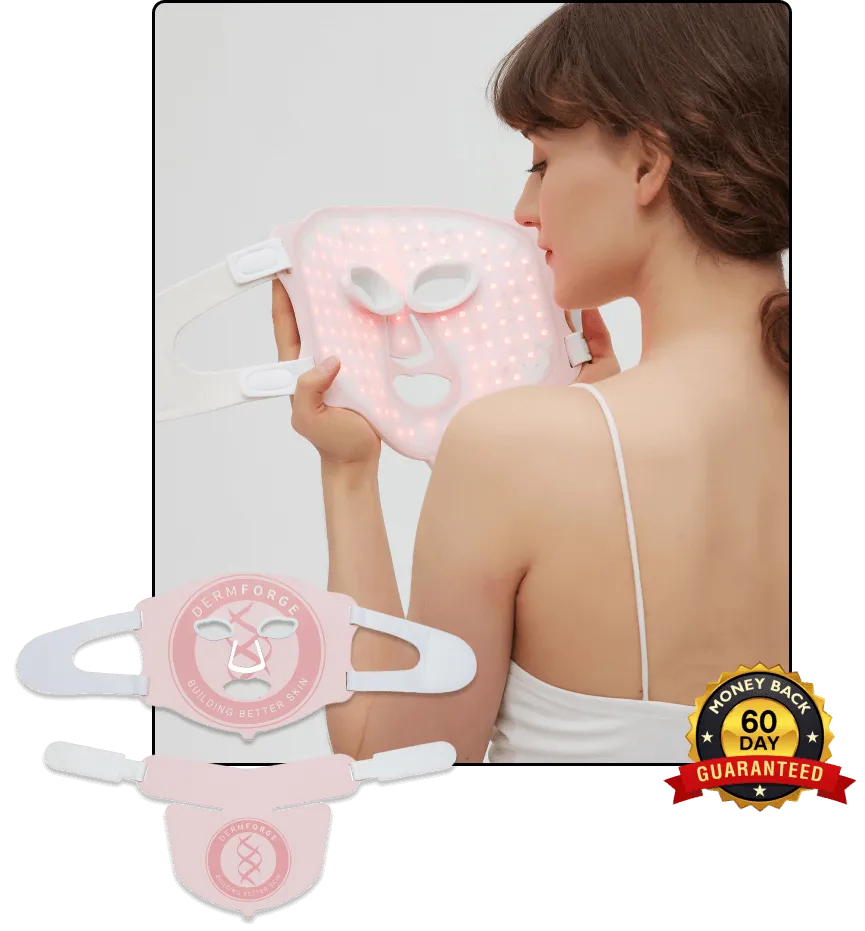
Additionally, devices like the DermForge LED Mask focus on acne management. You can target breakouts consistently without disrupting your routine. This steady approach helps control flare-ups more effectively.
Furthermore, ease of use encourages better adherence to treatment plans. You are more likely to maintain a routine when it fits your lifestyle. This consistency supports gradual improvement over time.
At the same time, accessibility allows more people to explore advanced skincare. You no longer need specialized appointments to benefit from these technologies. This shift has expanded the reach of skincare innovation.
Ultimately, at-home devices excel in convenience, affordability, and long-term maintenance.
Limitations and Risks of DIY Skincare Technology
While home devices offer many benefits, they also present limitations. At-Home Skincare Devices operate at lower intensities, which affects treatment speed. You may need extended use before noticing significant changes.
Moreover, results depend heavily on user consistency and technique. Skipping sessions or using incorrect settings can reduce effectiveness. Your commitment plays a major role in outcomes.
Additionally, device quality varies widely across the market. Lower-quality products may deliver inconsistent performance. Therefore, careful selection is essential for reliable results.
Improper use can also lead to mild irritation or discomfort. You should always follow usage guidelines to avoid unnecessary issues. Reading instructions helps protect your skin during treatment.
Furthermore, some conditions require professional evaluation and care. Home devices may not address deeper or complex concerns effectively. In these cases, clinical treatments provide more appropriate solutions.
At the same time, unrealistic expectations can lead to disappointment. You should view these tools as part of a broader skincare plan. They support improvement rather than complete transformation.
Ultimately, understanding these limitations helps you use home devices more effectively and safely.
How to Choose the Right At-Home Device for Maximum Results
Choosing the right device requires careful evaluation of key factors. At-Home Skincare Devices vary in quality, features, and effectiveness. You should focus on options that align with your specific skin goals.
First, consider wavelength accuracy and treatment purpose. Devices designed for acne should use targeted blue light technology. This specificity helps address your concerns more effectively.
Next, look for consistent performance and reliable design. High-quality devices deliver stable energy output across sessions. This consistency supports predictable results over time.
Moreover, brand reputation plays an important role in your decision. Trusted brands often invest in better technology and safety standards. This commitment enhances your overall experience.
You should also review ease of use and comfort. A device that fits seamlessly into your routine encourages regular use. Consistency remains a key factor in achieving visible results.
Additionally, consider safety features and certifications. These elements reflect attention to user protection and product reliability. They also provide confidence in your purchase.
Devices like the DermForge LED Mask align with these criteria. They focus on targeted treatment while supporting consistent use.
Ultimately, selecting the right device improves your chances of achieving steady and meaningful results.

Q&A
| Question | Answer |
|---|---|
| Are at-home skincare devices effective for acne treatment? | Yes, they can reduce acne over time when used consistently. Devices using blue light target acne-causing bacteria and help control breakouts. However, results develop gradually, and you need to follow a regular schedule. Consistency and device quality both influence how effective your treatment becomes. |
| How long does it take to see results from home devices? | Most users begin noticing improvements after several weeks of consistent use. Early changes often include reduced redness and smoother texture. Over time, results become more visible as treatments continue. Staying consistent and following recommended usage guidelines plays a major role in how quickly results appear. |
| Are professional treatments better than At-Home Skincare Devices? | Professional treatments often deliver faster and more noticeable results because they use stronger equipment. However, At-Home Skincare Devices provide convenience and support ongoing maintenance. You can use them regularly to maintain results and improve skin gradually between clinical visits. Both approaches serve different purposes in a complete skincare plan. |
| Can I replace professional treatments with home devices? | Home devices can support your skincare routine, but they do not fully replace professional treatments. Clinics offer higher intensity treatments that reach deeper layers of the skin. You may still need professional care for advanced concerns while using home devices for maintenance and prevention. |
| What should I look for when buying a skincare device? | You should evaluate wavelength accuracy, product quality, and brand reputation before purchasing. Devices should match your specific skin concern and offer consistent performance. Ease of use and safety features also matter. A well-designed device encourages regular use, which helps you achieve better long-term results. |