You see LED Light Therapy Colors everywhere in modern skincare, yet many people still feel unsure about how they work. These devices promise clearer, smoother skin without invasive treatments. So, you may wonder which color delivers the best results for your specific concerns. While trends often drive attention, the science behind light therapy tells a more accurate story.
First, LED light therapy uses specific wavelengths to interact with your skin at different depths. Each color triggers a distinct biological response inside your cells. As a result, your skin can repair itself more efficiently over time. Because this process is gentle, many people prefer it over aggressive treatments.
Also, LED devices now appear in both professional clinics and at-home solutions. This makes it easier for you to build a consistent routine without frequent appointments. At the same time, consistency plays a major role in visible improvement. So, using the correct color for your skin type becomes essential.
Meanwhile, different colors target different concerns, including acne, wrinkles, and uneven tone. Blue light focuses on bacteria, while red light supports collagen production. Other colors help refine tone and calm irritation. Therefore, understanding how each option works allows you to make smarter decisions.
Ultimately, when you choose the right combination of light therapy colors, you can improve your skin with a strategic approach. With the right device and routine, you move beyond trends and toward measurable results.
Understanding LED Light Therapy and Wavelength Science
You may wonder how light can influence your skin at a deeper level. LED light therapy works by delivering specific wavelengths into your skin layers. Each wavelength reaches a different depth and triggers a targeted cellular response. As a result, your skin reacts by repairing and regenerating itself over time.
First, shorter wavelengths, like blue light, remain closer to the skin surface. These wavelengths focus on bacteria and oil regulation. Meanwhile, longer wavelengths, such as red light, travel deeper into the dermis. This allows them to support collagen production and skin structure.
Because your skin contains light-sensitive receptors, it responds to these wavelengths with increased cellular activity. For example, mitochondria inside your cells absorb light energy and produce more ATP. This energy fuels repair processes and improves overall skin function. Therefore, consistent use leads to visible improvements.
Also, LED Light Therapy Colors work without heat or damage to surrounding tissue. This makes the treatment safe for regular use across different skin types. As a result, you can incorporate it into your routine without long recovery periods.
In addition, non-invasive treatments appeal to people seeking gradual, natural-looking results. You gain improvement over time instead of abrupt changes. This approach supports long-term skin health rather than temporary fixes.
Ultimately, understanding how wavelengths interact with your skin helps you choose the right treatment. With this knowledge, you can match each color to your goals and build a more effective skincare routine.
Blue Light Therapy for Acne Control and Skin Clarity
If you struggle with acne, blue light therapy offers a targeted solution for clearer skin. This wavelength focuses on the outer layer where acne-causing bacteria live. As a result, it reduces breakouts without harsh chemicals or irritation.
Blue light penetrates shallow layers and disrupts the bacteria responsible for acne formation. Over time, this reduces inflammation and prevents future flare-ups. Because it also helps regulate oil production, your skin appears more balanced. Therefore, many people use it as part of a long-term acne strategy.
Also, LED Light Therapy Colors like blue are ideal for oily and acne-prone skin types. They address the root cause rather than masking symptoms. This creates a more stable environment for healthier skin.
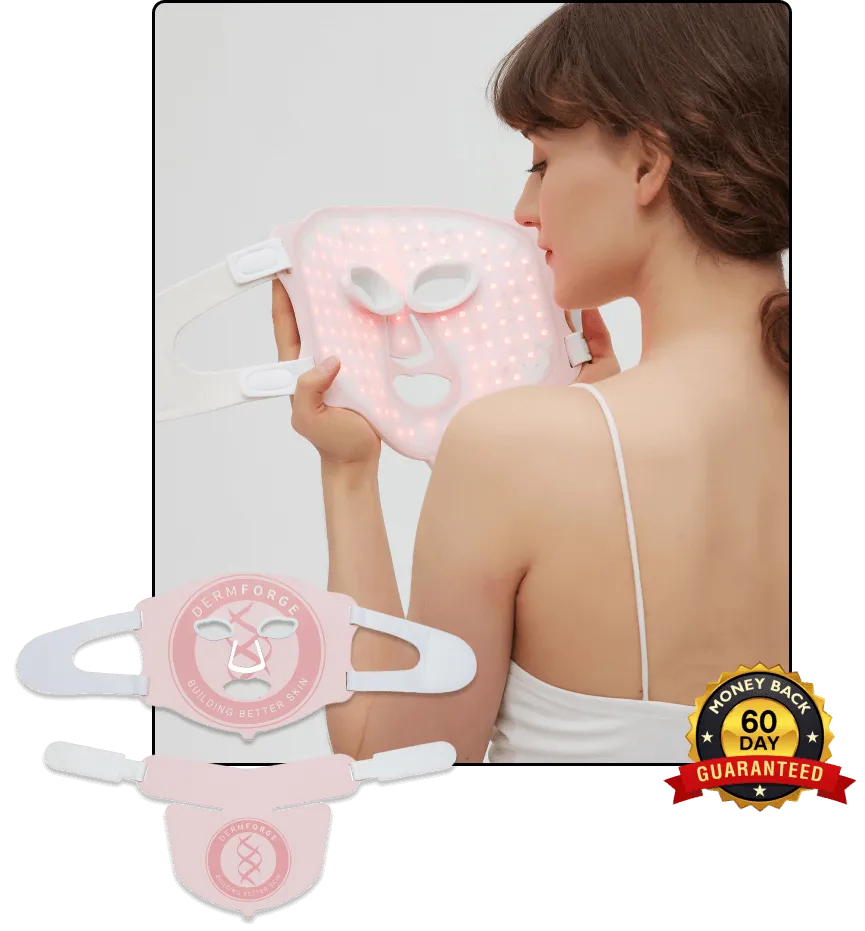
Meanwhile, devices such as the DermForge LED Mask provide a convenient at-home solution. You can treat your skin consistently without scheduling clinic visits. With regular use, you begin to notice fewer breakouts and smoother texture.
In addition, blue light therapy works well alongside other skincare products. It enhances your routine rather than replacing it. Because of this, you can maintain your existing regimen while improving results.
Ultimately, blue light therapy gives you a focused approach to acne control. With consistent sessions, you support clearer skin and reduce recurring issues over time.
Red Light Therapy for Anti-Aging and Collagen Production
If your goal involves smoother skin and fewer wrinkles, red light therapy offers a powerful solution. This wavelength penetrates deeper layers where collagen forms. As a result, it supports skin structure and elasticity.
Red light stimulates fibroblast cells, which produce collagen and elastin. Over time, this reduces fine lines and improves firmness. Because collagen declines with age, this process helps restore a more youthful appearance. Therefore, many people rely on red light for long-term rejuvenation.
Also, LED Light Therapy Colors like red promote improved circulation. Increased blood flow delivers nutrients and oxygen to your skin cells. This supports repair and contributes to a healthier complexion.
Meanwhile, consistent use leads to gradual and natural-looking improvements. You may notice smoother texture and better tone after several sessions. Because results build over time, patience plays an important role.
In addition, red light therapy pairs well with other treatments. It enhances results without increasing irritation. This makes it suitable for a wide range of skin types and concerns.
Ultimately, red light therapy gives you a reliable method for addressing visible aging. With regular use, you support stronger skin and maintain a refreshed appearance.

Green, Yellow, and Other LED Colors for Skin Tone and Pigmentation
While blue and red light receive most attention, other colors offer valuable benefits. Green and yellow light target tone, redness, and pigmentation concerns. As a result, they help refine your overall complexion.
Green light works on pigmentation by reducing melanin production. Over time, this helps fade dark spots and uneven tone. Because it targets discoloration, your skin appears more balanced and clear. Therefore, many people use it to improve brightness.
Meanwhile, yellow light focuses on calming irritation and redness. It supports circulation and reduces inflammation in sensitive skin. This creates a smoother and more even surface. Because of this, it works well for people with reactive skin.
Also, LED Light Therapy Colors extend beyond these options to include purple and white light. These combinations address multiple concerns at once. As a result, you gain flexibility in your skincare routine.
In addition, combining these colors allows you to treat tone, texture, and sensitivity together. This approach creates a more complete skincare strategy. You move beyond single concerns and focus on overall skin health.
Ultimately, these lesser-known colors provide targeted solutions for specific issues. With the right combination, you can achieve a more balanced and refined complexion.
Combining LED Light Colors for Maximum Skin Rejuvenation Results
You may achieve better results when you combine multiple light wavelengths in your routine. Each color targets a different concern, so using them together creates a more complete approach. As a result, your skin receives support on multiple levels.
For example, blue light addresses acne while red light improves collagen production. When used together, they treat both breakouts and aging. This allows you to manage several concerns at once. Therefore, combination therapy becomes a practical solution.
Also, LED Light Therapy Colors can be rotated throughout the week. This approach helps your skin respond to each treatment effectively. You avoid overusing one wavelength while still maintaining consistency.
Meanwhile, some devices offer built-in multi-color settings. These systems simplify your routine by delivering combined treatments in one session. Because of this, you save time while improving results.
In addition, layering treatments supports long-term skin improvement. You build a routine that adapts to changing skin needs. This keeps your results consistent and sustainable.
Ultimately, combining light therapy colors gives you a more strategic skincare plan. With the right balance, you enhance results and support healthier skin over time.
Choosing the Right LED Device for Your Skin Goals
Selecting the right device depends on your specific skin concerns and lifestyle. Some devices focus on a single wavelength, while others offer multiple options. As a result, your choice should align with your goals.
If acne remains your main concern, a targeted device provides focused results. For example, the DermForge LED Mask delivers blue light directly to problem areas. This helps reduce breakouts and control oil production. Therefore, it suits acne-prone skin well.
Meanwhile, multi-light devices offer broader treatment options. They allow you to address aging, tone, and texture in one system. Because of this, they appeal to users with multiple concerns.
Also, consistency matters more than complexity when choosing a device. You should select a product that fits easily into your routine. This increases the likelihood of regular use and better results.
In addition, comfort and design influence your experience. A well-designed mask or handheld device encourages continued use. This supports long-term improvement.
Ultimately, LED Light Therapy Colors become more effective when paired with the right device. By matching your goals with the appropriate tool, you create a routine that delivers visible results.

FAQ
What are LED light therapy colors used for in skincare?
LED light therapy colors target different skin concerns through specific wavelengths. Blue light helps control acne, while red light supports collagen production. Green and yellow light improve tone and reduce redness. Each color works at a different depth, allowing you to address multiple concerns with a tailored approach.
How often should I use LED light therapy for best results?
Most people benefit from using LED light therapy three to five times per week. Consistency plays a major role in visible improvement. Sessions usually last between ten and twenty minutes. Over time, regular use supports clearer skin, improved texture, and a more balanced complexion.
Is blue light therapy safe for daily use?
Blue light therapy is generally safe for frequent use when you follow device guidelines. It targets surface bacteria without damaging surrounding tissue. Many users apply it several times per week for acne control. However, you should monitor your skin and adjust frequency based on sensitivity and response.
Can I combine different LED light colors in one routine?
Yes, combining different LED light therapy colors can improve overall results. Each wavelength targets a different concern, such as acne, aging, or pigmentation. By rotating or combining colors, you create a more complete skincare routine that supports multiple aspects of skin health over time.
How do I choose the right LED device for my skin?
You should choose a device based on your primary skin concern and routine preferences. Targeted devices like blue light masks help with acne, while multi-color systems address broader concerns. Consider ease of use, comfort, and consistency when selecting a device for long-term results.