Blue light therapy for acne has become a helpful option for many people who want a gentle approach to clearer skin. You may feel drawn to it because it fits easily into daily routines and offers a calm, comfortable experience. Additionally, the method focuses on reducing bacteria and easing inflammation, which supports healthier looking skin over time. Therefore, many users rely on consistent sessions to build steady progress without harsh treatments or complex steps.
Acne can feel frustrating when it disrupts your comfort or confidence. However, understanding how different tools work can make your routine feel more manageable. Many people appreciate that blue light devices offer structure and simplicity. Additionally, you can pair them with basic skincare to create a routine that feels clear and predictable. Therefore, this method can help you establish habits that support your skin while keeping your routine practical.
You may also find that having realistic expectations helps you stay consistent. Improvements often appear slowly, and this pace reflects how light-based treatments work. Additionally, gradual changes tend to feel more stable because they develop over repeated sessions. Therefore, you can make steady progress when you commit to regular use and pay attention to your skin’s signals.
As you explore your options, you can think about how light therapy fits with your goals and daily habits. Additionally, considering your skin type and your personal schedule helps you choose a plan you can follow long term. Therefore, a thoughtful approach sets the stage for a routine that supports clearer, calmer skin in a steady and manageable way.
How Light Therapy Works to Combat Acne
Blue LED light can play a helpful role when you want clearer skin because it targets the bacteria linked to acne. These bacteria create compounds called porphyrins that react to specific wavelengths. When exposed to blue light, these compounds trigger a reaction that damages the bacteria and reduces their activity. As a result, the number of breakout-causing microbes on your skin drops over time. This process supports your skin without irritating it, which makes blue light therapy for acne appealing to many people looking for gentle options.
Additionally, blue LED light works well for mild to moderate inflammatory acne because this type often involves bacteria and surface-level irritation. You may see fewer red bumps and less swelling across the treated areas. Regular sessions can help your skin stay calmer, and consistent use matters because the effect builds gradually. Therefore, you can expect slow and steady improvement rather than fast changes. This approach allows you to work acne care into your weekly routine with minimal disruption.
However, blue LED light tends to be less effective for deep cysts because those sit further below the surface. These stubborn spots usually involve factors that light cannot reach. You can still benefit from using a device for overall bacteria reduction, yet you may need other methods for deeper breakouts. Additionally, combining light sessions with a gentle skincare routine supports better results because your skin stays balanced.
You may also appreciate that this method suits many skin types because it does not heat the skin or introduce chemicals. Therefore, you can use it comfortably when you want steady progress toward calmer, clearer skin.
Benefits and Limitations of At-Home LED Masks vs In-Office Treatments
At home LED masks give you a simple way to support clearer skin because they fit easily into your routine. You can use them on your schedule, and you do not need an appointment or prescription. Additionally, these devices avoid invasive steps and let you care for your skin in a comfortable setting. Many people appreciate this flexibility when they want steady support for blue light therapy for acne at home. Therefore, these masks can feel practical when you prefer a consistent approach that works around your daily life.
However, at home devices usually have lower power levels than treatments offered in clinics. This difference means your results may develop slowly, and the changes may appear subtle at first. Additionally, you may need ongoing sessions to maintain your progress because the effect depends on regular use. Therefore, you should plan for routine treatments rather than quick changes. This steady pace can still help your skin over time.
Professional sessions in clinics often use stronger equipment that reaches deeper layers of your skin. These treatments can provide more noticeable results, although they require appointments and higher costs. Additionally, you must visit a provider, which can feel less convenient when your schedule is tight. Many people choose a mix of approaches because both options offer value for different needs.
You can think of at home masks as supportive tools that give you control and comfort. Clinic treatments add targeted strength for stubborn concerns. Therefore, choosing between them depends on your goals, your routine, and your interest in long-term care.
What to Expect: Results Timeline, Usage Frequency, and Maintenance
When you begin blue light therapy for acne, you can expect gradual changes rather than fast shifts in your skin. Many people notice improvement over several weeks, and the progress usually comes from steady and repeated sessions. Additionally, your skin may respond at its own pace, and each week can bring small shifts in clarity. Therefore, you benefit most when you stay consistent with your routine and give your skin time to adjust.
You can plan to use your device a few times per week, and most sessions last several minutes. Additionally, this pattern helps your skin build momentum over time because regular exposure keeps bacteria levels lower. Therefore, you should view this process as ongoing care rather than a single fix. You may see fewer breakouts, calmer skin, and better balance as weeks pass.
However, maintenance often matters once you reach a point where your skin feels stable. You can move to a lighter schedule that still supports your results. Additionally, you can adjust your routine based on how your skin behaves because each person has different needs. Therefore, your long-term plan may shift between active treatment and steady maintenance.
You may also find that pairing light sessions with a simple skincare routine helps your skin stay on track. Clean skin responds well, and balanced habits support better outcomes. Additionally, patience plays a role because slower improvements can still lead to meaningful change. Therefore, consistent use, regular sessions, and ongoing care create the foundation for healthier, clearer skin.
Safety, Side Effects, and Skin Types: Who Should Use Blue Light Therapy and Who Should Be Cautious
Blue light therapy for acne is generally considered safe because it uses visible light rather than UV light. This means it does not increase skin cancer risk or speed up skin aging. Additionally, the treatment does not rely on heat or chemicals, so many people find it gentle enough for routine use. Therefore, you can feel comfortable adding it to your skincare plan when you want steady support for clearer skin.
However, you may notice mild side effects such as dryness, redness, or slight irritation after a session. These reactions tend to fade quickly, and many people experience no discomfort at all. Additionally, people with light sensitivity may need to be cautious because their skin can react more strongly to bright light. Therefore, you should consider your history with light exposure and speak with a dermatologist if you have questions about your skin’s response.
Some medications can also make your skin sensitive to light. Therefore, you should review your current prescriptions and speak with a professional if you think your skin may react. Additionally, different skin types respond in different ways because oil levels, texture, and sensitivity vary widely. You may see fast improvement, or you may need more time for visible change.
A patch test can help you understand how your skin reacts before you begin a full routine. Additionally, this small step gives you peace of mind and reduces the chance of unwanted effects. Therefore, taking a thoughtful approach lets you enjoy the benefits of light therapy while supporting your skin’s well-being.
How to Get the Most Out of a Device Like the DermForge LED Mask
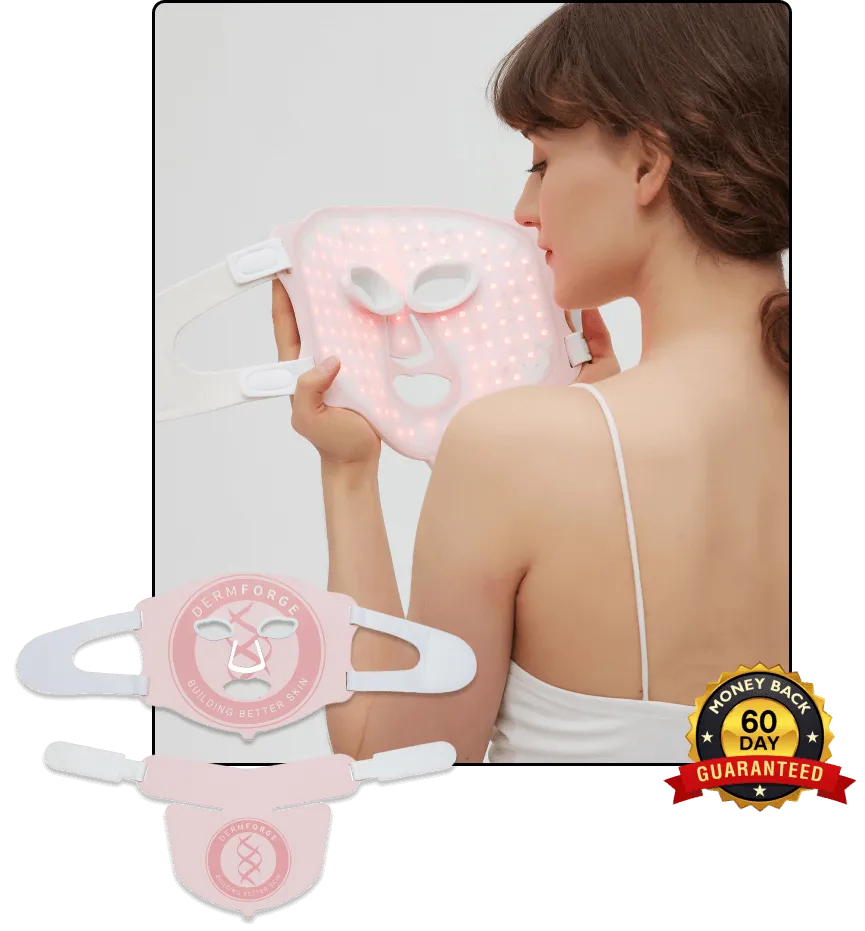
You can get more value from a device like the DermForge LED Mask when you begin with a clean routine. Always start with freshly washed skin so the light reaches the surface without barriers. Additionally, dry your face before each session because excess moisture can interfere with the experience. Therefore, a simple cleanse before treatment sets the stage for better results with blue light therapy for acne.
Consistency plays a major role in your progress. Many people use their device several times per week, and each session tends to last a few minutes. Additionally, sticking to the recommended timing helps your skin respond in a steady way. Therefore, you should view the mask as a regular part of your routine rather than a quick fix. Your skin benefits most when sessions build on each other over time.
You can support these sessions by keeping the rest of your skincare simple and balanced. A gentle cleanser, a soothing moisturizer, and daily sunscreen help your skin stay comfortable between treatments. Additionally, this approach keeps irritation low and lets the light do its work. Therefore, pairing light therapy with good daily habits often leads to more noticeable changes.
Patience matters because improvements appear slowly. However, each session contributes to a gradual shift in clarity. Additionally, tracking your progress can help you stay motivated as the weeks pass. Therefore, a thoughtful routine built around regular use gives you the best chance of achieving calmer, clearer skin.
Realistic Expectations: What Light Therapy Can and Cannot Do for Acne
Blue light therapy for acne can support clearer skin by lowering bacteria levels and calming inflammation. Many people see fewer breakouts when they use it regularly because the light targets one of the main factors behind inflammatory acne. Additionally, this approach can help your skin feel more balanced over time. Therefore, you can view it as a helpful tool when you want steady progress.
However, light therapy does not address every cause of acne. Clogged pores, hormonal shifts, deep cystic spots, and blackheads or whiteheads often need other methods. Additionally, these concerns can sit deeper in the skin or involve factors that light cannot reach. Therefore, you should keep your expectations grounded and understand where the treatment has limits. This perspective helps you build a more realistic plan for your skin.
You can strengthen your results by pairing light therapy with simple daily habits. A gentle cleanser, a calming moisturizer, and regular sunscreen use support your skin between sessions. Additionally, some people include topical treatments that address clogged pores or oil levels. Therefore, combining several approaches gives your skin a broader range of support.
Patience matters because progress tends to appear slowly. However, consistent habits can create meaningful change over time. Additionally, tracking your routine can help you see steady improvement even when changes feel subtle. Therefore, light therapy works best when you treat it as one part of a larger plan for healthier skin.
Conclusion
When you bring blue light therapy for acne into your routine, you gain another tool that supports clearer and calmer skin. The method works through steady, repeated exposure, and many people appreciate the gentle nature of the treatment. Additionally, you can use it at home or in a clinic, which gives you flexibility as your needs change. Therefore, you can shape your plan based on what feels comfortable for your schedule.
However, the best results tend to come from consistent habits built over time. You may see slow shifts before you notice meaningful change, and this pace fits the way light therapy works. Additionally, patience helps you stay focused on long term progress. Therefore, regular sessions, supportive skincare, and simple daily steps often produce the most balanced outcomes.
You can also think about how different methods fit together. Light therapy may address bacteria and inflammation, while other tools support pores, oil levels, or surface texture. Additionally, paying attention to how your skin responds helps you adjust your routine with confidence. Therefore, a thoughtful approach gives you a clearer path forward.
Your experience can feel smoother when you set realistic goals and follow a plan that suits your skin. Additionally, ongoing care helps maintain progress once improvements begin to show. Therefore, using light therapy as part of a broader routine can guide you toward healthier skin that feels more balanced and manageable over time.