Healthy skin often reflects consistent care and practical daily habits. Many people now include light therapy in their regular skincare routines. Therefore, a daily LED mask routine has become a common approach for supporting clearer and healthier skin. When you follow this habit consistently, your skin receives repeated stimulation from therapeutic light wavelengths. As a result, your complexion can gradually improve in tone, balance, and clarity.
LED light therapy works by delivering controlled wavelengths that interact with your skin cells. These wavelengths influence natural processes that affect oil production, circulation, and collagen activity. Consequently, your skin responds over time with gradual improvements in texture and overall appearance. However, these improvements rarely appear overnight because skin cells respond slowly to repeated treatment.
Additionally, many dermatology professionals recognize LED light therapy as a gentle skincare technology. Unlike aggressive treatments, LED light does not rely on abrasion or strong chemicals. Therefore, you can include it comfortably in a regular skincare routine. When you combine light therapy with thoughtful skincare products, your routine supports multiple skin functions at once.
Moreover, consistency plays a major role in visible results. When you repeat treatments regularly, your skin receives ongoing stimulation that supports normal repair processes. Consequently, improvements in clarity, smoothness, and balance often develop gradually. Over time, this steady approach helps your skin maintain a healthier appearance.
Furthermore, LED masks allow you to incorporate professional style treatments into your home routine. These devices deliver controlled light exposure directly to the skin surface. Therefore, you can support skin health while maintaining a simple routine.
As you learn more about LED therapy, you may notice how easily it fits into daily skincare habits. Regular sessions require minimal time while offering gradual support for your skin. Consequently, many people rely on consistent LED treatments to maintain balanced and healthy-looking skin over time.
The Science Behind LED Light Therapy for Skin Rejuvenation
LED light therapy uses specific wavelengths of light to stimulate biological activity within your skin cells. The process relies on photobiomodulation, which influences cellular energy production. As a result, skin cells respond by increasing activity and improving normal repair functions. Therefore, light therapy supports natural regeneration without heat, chemicals, or invasive procedures.
At the cellular level, your skin absorbs light energy through structures inside the mitochondria. These structures help produce adenosine triphosphate, the molecule responsible for cellular energy. Consequently, higher cellular energy allows your skin to repair damage and maintain stronger tissue structure. Additionally, increased cellular activity encourages healthy circulation and supports natural skin turnover.
Different wavelengths produce different responses within your skin. Blue light operates near the surface of the skin where acne related bacteria typically develop. Because this wavelength remains close to the upper layers, it targets bacteria that contribute to breakouts and irritation. As a result, many dermatologists recommend blue light therapy for acne management and inflammation control.
However, other wavelengths travel deeper into the dermis where collagen and elastin exist. Red and near infrared light stimulate fibroblast activity, which promotes collagen production over time. Therefore, these wavelengths help improve firmness, skin texture, and overall elasticity. Additionally, deeper penetration encourages circulation, which can support long term skin health.
For this reason, dermatology clinics often use LED phototherapy as a noninvasive skin treatment. Treatments address acne, redness, and early signs of aging without disrupting the skin barrier. Moreover, light therapy requires no recovery period and integrates easily into regular skincare habits.
Because consistency supports cellular response, many people incorporate light therapy into a daily LED mask routine. When you use an LED mask regularly, your skin receives repeated stimulation that supports gradual improvement. Consequently, your complexion can appear clearer, smoother, and more balanced over time.
Why Blue LED Light Is Effective for Clearer Skin
Blue LED light therapy focuses on a common cause of acne, bacteria that develop within clogged pores. These bacteria thrive in oily environments near the skin surface. Therefore, blue light therapy works where many breakouts begin. The wavelength interacts with compounds inside the bacteria and disrupts their activity. As a result, bacterial populations decline and your skin experiences fewer acne triggers.
Additionally, blue light penetrates the upper layers of the skin without affecting deeper tissue. This targeted action helps address acne related concerns while leaving surrounding skin undisturbed. Consequently, your skin can recover while inflammation decreases over time. Many dermatologists use blue light therapy because it supports acne control without harsh chemical treatments.
Moreover, blue light therapy influences oil producing glands located near hair follicles. These glands create sebum, which naturally protects your skin. However, excess oil can trap debris and bacteria inside pores. Therefore, regulating oil production can help reduce clogged pores and visible breakouts. With repeated treatments, your skin often appears calmer and more balanced.
Furthermore, blue light therapy can help reduce redness associated with active blemishes. When bacteria decline and oil production stabilizes, inflammation gradually decreases. As a result, irritated areas may look less swollen and more even in tone. Over time, your complexion can appear clearer and smoother.
Because blue light works gently on the skin surface, many people include it in a daily LED mask routine. Consistent use allows the light energy to influence bacteria and oil levels repeatedly. Therefore, your skin receives steady support rather than occasional treatment. Regular sessions often lead to gradual improvements that feel natural and manageable.
Additionally, blue LED therapy works well alongside many skincare routines. You can pair it with gentle cleansers and lightweight moisturizers without overwhelming your skin. Consequently, your routine remains simple while your skin benefits from targeted light treatment. With consistent care, you may notice fewer breakouts and a more balanced complexion.
Creating a Daily LED Mask Routine for Consistent Results
Building an effective skincare habit begins with a clear and consistent process. LED light therapy works best when you follow a simple routine each day. Therefore, you should begin by preparing your skin properly before using the mask. Start with a gentle cleanser that removes oil, makeup, and surface debris. Clean skin allows light energy to reach the upper layers without interference.
Next, dry your face completely and position the LED mask comfortably over your skin. Most devices recommend sessions lasting between ten and twenty minutes. During this time, the light interacts with cells in the outer layers of your skin. As a result, your skin gradually responds to repeated exposure to therapeutic light wavelengths. Because the treatment remains noninvasive, you can relax while the mask completes each session.
However, consistency plays a major role in visible improvement. Light therapy influences cellular activity through repeated stimulation over time. Therefore, regular sessions help your skin maintain steady biological responses. When you skip treatments, the cellular signals decrease and progress slows. For this reason, many people follow a daily LED mask routine to maintain regular exposure.
After your session ends, apply lightweight skincare products that support hydration and skin balance. For example, a gentle moisturizer helps maintain comfort and protects the skin barrier. Additionally, hydrating ingredients help the skin recover after light exposure. When your skin remains hydrated, texture and tone often improve more evenly.
Over time, repeated treatments support gradual changes in clarity, smoothness, and overall appearance. Because light therapy works cumulatively, results develop through repeated daily sessions. Therefore, patience and consistency both influence how your skin responds to treatment. As weeks pass, you may notice improvements in tone, texture, and overall balance.

Combining LED Therapy with Skincare Products
LED light therapy works best when it complements the rest of your skincare routine. Therefore, many people combine LED treatments with targeted topical products. This approach supports multiple skin processes at the same time. As a result, your routine can address clarity, hydration, and skin texture together.
First, begin each session with freshly cleansed skin. A gentle cleanser removes oil, makeup, and residue that can block light exposure. Consequently, the light can interact with your skin more effectively. Clean skin also prepares the surface for the skincare products you apply afterward.
Next, complete your LED session before applying serums or moisturizers. Light therapy stimulates cellular activity within the skin during treatment. Therefore, applying skincare products afterward allows your skin to absorb ingredients more efficiently. Many people notice improved hydration and smoother texture when they follow this order.
For example, hyaluronic acid works well after LED therapy because it attracts moisture to the skin. This ingredient helps your skin retain water and maintain a soft appearance. Additionally, hydrated skin often reflects light more evenly, which improves overall tone. Therefore, combining hydration with LED therapy can support visible skin balance.
Similarly, niacinamide supports oil regulation and calm skin tone. This ingredient helps reduce redness and supports a more even complexion. Furthermore, peptides can support collagen activity within the skin. These small proteins help maintain firmness and smoother skin texture over time.
Because these ingredients complement light therapy, they fit naturally into a daily LED mask routine. When you apply them after each session, your skin receives consistent care from multiple angles. Consequently, your routine supports hydration, balance, and gradual improvements in skin clarity. Over time, regular treatments and supportive products help maintain a smoother, healthier complexion.
Anti-Aging Benefits of LED Masks for a Youthful Complexion
LED light therapy supports visible skin renewal through targeted wavelengths that influence cellular activity. These wavelengths interact with cells responsible for maintaining skin structure. As a result, your skin can gradually improve firmness and resilience. Over time, this process contributes to a smoother and more youthful appearance.
Red and near infrared wavelengths reach deeper layers where collagen and elastin form. These structural proteins support skin strength and elasticity. Therefore, stimulating their production can help reduce visible signs of aging. When collagen levels increase, your skin often appears firmer and more even.
Furthermore, collagen fibers help maintain smooth skin texture. As you age, natural collagen production gradually slows. Consequently, fine lines and wrinkles become more noticeable. LED therapy encourages fibroblast activity, which helps support collagen renewal over time.
Additionally, elastin contributes to your skin’s ability to stretch and return to its natural shape. When elastin levels remain healthy, your skin maintains flexibility and tone. Therefore, light therapy that supports elastin production can help your skin appear more resilient. This gradual support often improves the overall appearance of aging skin.
Because light therapy stimulates natural processes, improvements typically develop slowly. Regular treatments allow the skin to respond through repeated cellular activity. For this reason, many people include LED therapy in a daily LED mask routine. Consistent sessions provide steady stimulation that supports ongoing collagen activity.
Moreover, improved collagen and elastin levels influence how light reflects across your skin. As texture becomes smoother, your complexion often appears brighter and more balanced. Therefore, many users notice gradual improvements in tone and softness. With continued use, your skin can appear healthier and more refreshed.
In addition, LED treatments work well alongside a thoughtful skincare routine. Hydration and gentle care support the skin while collagen renewal continues. Consequently, your skin benefits from both topical care and light-based stimulation. Over time, these combined habits help maintain a smoother and more youthful complexion.
Long-Term Skin Health and Maintenance with LED Masks
Healthy skin develops through consistent care and steady habits over time. Therefore, many people include LED light therapy in their long-term skincare routine. When you use an LED mask regularly, your skin receives repeated stimulation that supports ongoing cellular activity. As a result, the skin gradually maintains better balance and clarity.
LED masks influence several processes that affect overall skin condition. Blue light targets bacteria that contribute to acne development. Consequently, repeated treatments help reduce breakouts and calm irritated areas. Over time, this process helps your complexion appear clearer and more even.
Furthermore, LED therapy can support circulation within the skin. Improved circulation delivers oxygen and nutrients to skin cells more effectively. Therefore, your skin often appears healthier and more refreshed after regular sessions. Better circulation also supports natural repair processes within the skin.
Because LED therapy works through repeated exposure, consistency plays an important role. Your skin responds gradually to ongoing stimulation from therapeutic light wavelengths. Therefore, occasional treatments rarely produce meaningful changes. Instead, regular sessions support steady improvement over weeks and months.
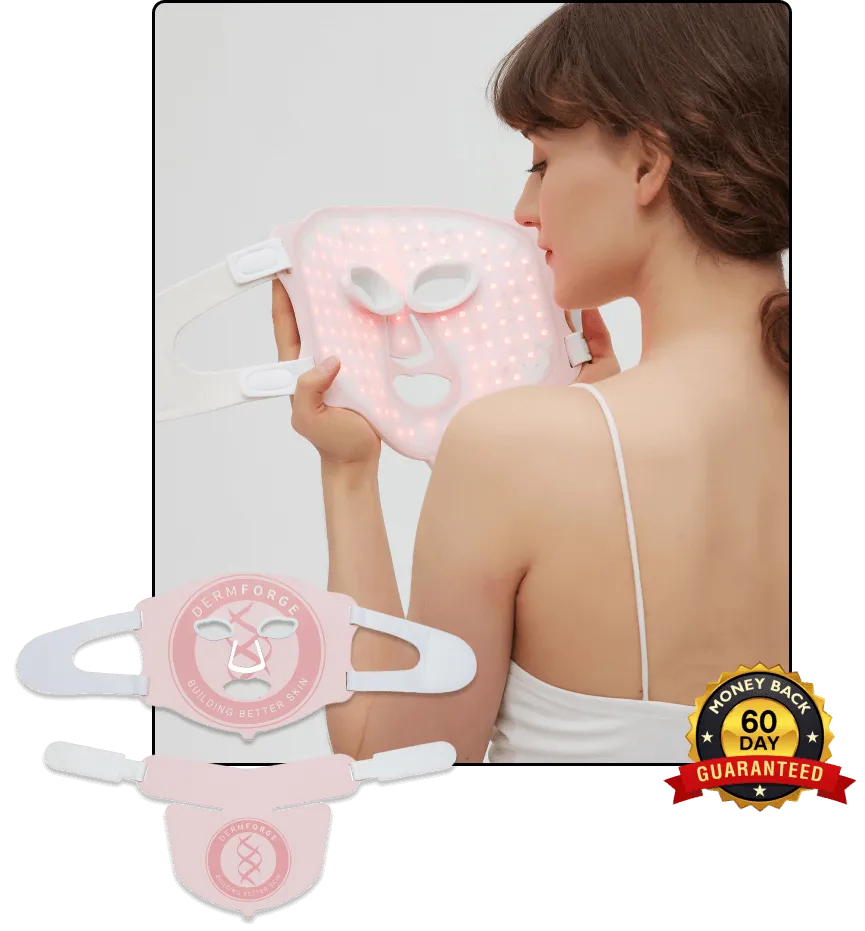
Devices such as the DermForge LED Mask allow you to include light therapy easily in your routine. When you use the mask regularly, treatments fit naturally into your daily skincare habits. Additionally, the device delivers controlled wavelengths that interact with the upper layers of your skin.
Over time, consistent treatments help maintain balanced oil levels and calmer skin tone. As a result, your complexion may appear smoother and more stable. Therefore, regular use helps support long term skin health rather than short term correction.
Ultimately, healthy skin reflects consistent care and realistic expectations. When you maintain steady habits, your skin can adapt gradually to supportive treatments. Consequently, LED therapy becomes a practical tool for maintaining clearer and more balanced skin over time.
Conclusion
LED light therapy offers a practical way to support healthier skin over time. When you understand how the technology works, you can use it more effectively. Therefore, many people integrate LED treatments into regular skincare habits. Consistent use allows your skin to respond gradually to repeated light exposure.
Moreover, light therapy works best when you approach it as part of a complete routine. Cleansing, hydration, and balanced skincare products all support the treatment process. As a result, your skin receives multiple forms of care that work together. Over time, these habits help maintain smoother texture and a clearer complexion.
Additionally, the benefits of LED therapy develop through repeated sessions. Skin cells respond slowly to stimulation from targeted light wavelengths. Therefore, patience and routine use both influence visible improvements. When you maintain steady habits, your skin can adapt naturally to the treatment.
Because LED therapy remains gentle, many people incorporate it into a daily LED mask routine. Regular sessions provide ongoing stimulation that supports skin balance. Consequently, your skin receives consistent support for managing acne, redness, and uneven texture. Over time, these small improvements build into noticeable changes.
Furthermore, steady care often produces more reliable results than occasional treatments. When you treat your skin regularly, cellular activity remains active and responsive. Therefore, your complexion can maintain stability and clarity over longer periods. Consistency allows gradual progress without overwhelming your skin.
At the same time, realistic expectations help you maintain a healthy approach to skincare. Improvements often appear slowly as your skin adjusts to ongoing care. However, steady routines help your skin remain balanced and resilient. With continued attention and patience, LED therapy can support long term skin health and appearance.