LED face masks have become popular among people seeking clearer and healthier skin at home. Many users now include these devices in daily skincare routines. As a result, interest continues growing across skincare communities and beauty professionals. You may wonder how often these treatments fit safely into your schedule. You may also question how quickly visible improvements appear after regular use.
Blue light therapy supports acne-prone skin by targeting bacteria linked to breakouts. At the same time, consistent treatments may calm irritation and reduce redness. Many users also report smoother texture and fewer blemishes over time. However, treatment frequency often affects the final results. Some people use their masks several times weekly, while others prefer daily sessions. Therefore, understanding proper usage helps you avoid irritation and maintain steady progress.
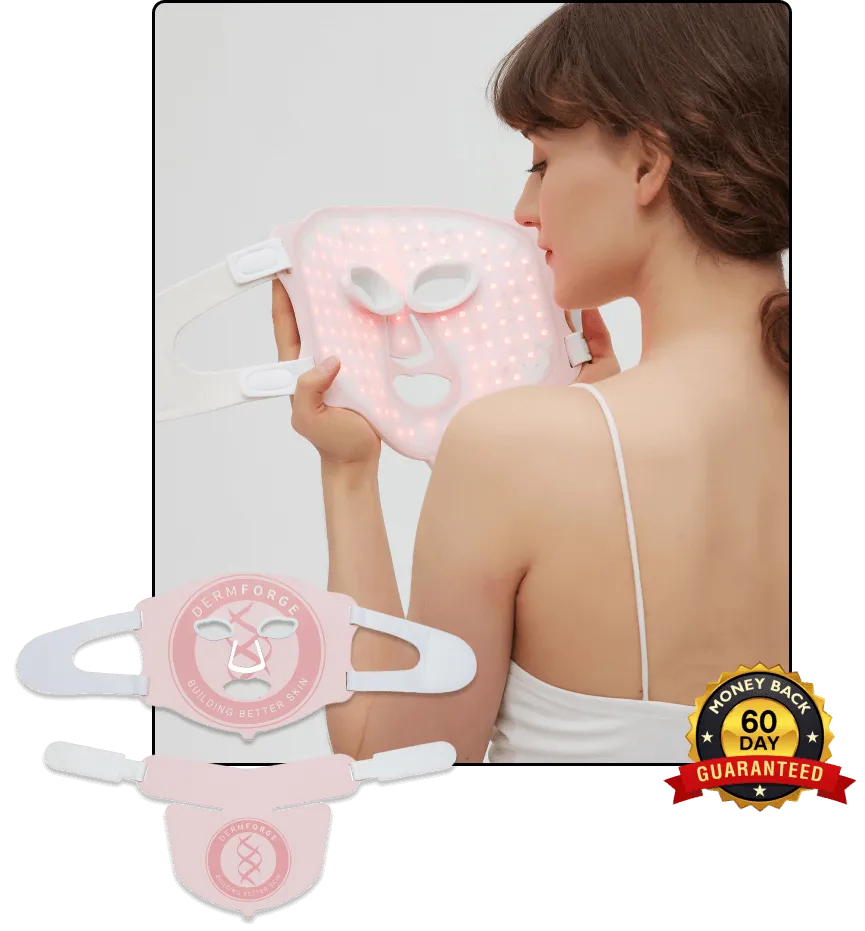
At-home devices now offer features previously found mainly in professional clinics. For example, the DermForge LED Mask includes multiple light settings and convenient treatment sessions. Consequently, users can perform treatments comfortably without disrupting busy schedules. Many people appreciate the flexibility and simplicity these devices provide. Still, overusing light therapy may create dryness or sensitivity for certain skin types. Because of this, balanced use remains important for long-term skin support.
You can improve your skincare routine by learning how LED treatments work and when to use them. Furthermore, understanding realistic expectations helps you stay consistent with treatments. This guide explains recommended treatment frequency, expected results, and important safety considerations. You will also learn how to build effective habits for ongoing skin maintenance.
How LED Face Masks Work: Understanding Blue Light Therapy for Acne-Prone Skin
Blue light therapy uses specific wavelengths to target acne-causing bacteria beneath the skin’s surface. As a result, many users experience fewer active breakouts over time. The light penetrates gently without causing damage to surrounding tissue. Therefore, many people view this treatment as a comfortable skincare option.
Acne develops when bacteria, oil, and dead skin cells collect within pores. Consequently, inflammation and redness often increase across affected areas. Blue light therapy works by reducing bacteria linked to recurring acne flare-ups. At the same time, regular sessions may calm irritated skin and support clearer texture. Many users notice gradual improvements after several weeks of steady treatments.
Modern LED face masks often combine convenience with professional-inspired technology. For example, the DermForge LED Mask offers multiple light settings for flexible skincare support. Because of this, users can personalize treatments based on skin concerns and comfort levels. The device also allows short sessions that fit easily into busy schedules. Many people appreciate the ability to complete treatments at home.
Consistency plays a major role in treatment success and overall skin appearance. Therefore, experts often recommend following the manufacturer’s suggested schedule carefully. Short sessions several times weekly often produce better results than inconsistent use. Furthermore, gradual improvements usually appear more natural and manageable over time. Many users also combine treatments with gentle skincare products for better comfort.
You should cleanse your skin before beginning each session. This step removes excess oil, dirt, and makeup from the surface. Consequently, the light can reach the skin more effectively during treatment. Afterward, many people apply lightweight moisturizers to support hydration and comfort.
How Often Should You Use an LED Face Mask for the Best Results?
Many skincare professionals recommend using LED face masks three to five times weekly for noticeable improvements. This schedule supports consistent treatment without overwhelming sensitive skin. Regular sessions may help reduce acne, calm redness, and improve overall skin texture. However, results usually appear gradually over several weeks.
Consistency matters more than aggressive treatment schedules for long-term skincare success. Therefore, many users benefit from following a predictable weekly routine. Short sessions performed regularly often support better progress than occasional extended treatments. At the same time, your skin needs time to respond naturally between sessions. Because of this, balanced use often produces steadier improvements.
Most at-home devices recommend sessions lasting around ten to twenty minutes. Consequently, many people complete treatments during evening skincare routines. Some users prefer morning sessions because the process fits comfortably into busy schedules. Still, many experts recommend evening use since skin repairs itself overnight. This timing may support a calmer and more comfortable treatment experience.
Beginners should start slowly while monitoring skin reactions carefully. For example, many users begin with two or three weekly treatments. Afterward, they gradually increase frequency as their skin adjusts comfortably. This approach may help reduce dryness, redness, or irritation during early use. Furthermore, gradual use supports healthier long-term habits.
You should also follow the manufacturer’s instructions closely during treatment planning. Different devices may recommend different schedules based on light intensity and design. Consequently, personal results may vary depending on skin sensitivity and treatment consistency. Many users also pair light therapy with gentle cleansers and moisturizers for added comfort.
Patience remains important throughout the process. Most people do not experience immediate changes after several sessions. However, steady use often supports visible improvements within several weeks. Therefore, realistic expectations help you stay committed to your skincare routine.
Daily vs. Weekly LED Mask Use: Can You Overuse Light Therapy?
Many people wonder whether daily treatments produce faster improvements for acne-prone skin. However, excessive use may create irritation instead of better results. Although light therapy remains gentle, your skin still needs recovery time between sessions. Therefore, moderation often supports healthier and more comfortable progress.
Some users experience dryness, redness, or sensitivity after frequent treatments. Consequently, beginners should introduce sessions gradually instead of using devices every day immediately. Many skincare professionals recommend starting with two or three weekly sessions first. Afterward, users can slowly increase frequency depending on skin response and comfort. This gradual approach helps reduce unnecessary irritation during early treatment stages.
Sensitive skin types may react more strongly to repeated exposure. Because of this, shorter sessions often work better during the adjustment period. You should monitor your skin closely after each treatment. Temporary redness may appear occasionally, although persistent irritation suggests overuse. Therefore, reducing treatment frequency may help restore comfort and balance.
LED face masks work best when users follow manufacturer recommendations consistently. Different devices operate with varying light strengths and treatment settings. Consequently, one schedule may not suit every product or skin type equally. Many users benefit from maintaining a predictable routine rather than increasing sessions aggressively. Steady treatment habits often support more manageable long-term improvements.
Hydration also plays an important role during regular light therapy use. Therefore, many people apply lightweight moisturizers after each session. Gentle skincare products may help maintain comfort and reduce dryness throughout the treatment process. At the same time, harsh exfoliants may increase irritation when combined with frequent light therapy.
Patience remains important while using at-home skincare devices. Many users expect immediate changes after several sessions. However, skin improvements usually develop gradually over time. Consistent weekly treatments often support clearer and calmer skin without unnecessary stress. Because of this, balanced use remains a smart approach for ongoing skincare maintenance.

What Results Can You Expect from Consistent LED Face Mask Treatments?
Consistent light therapy sessions may support clearer and calmer skin over time. Many users report fewer breakouts after several weeks of regular treatments. At the same time, inflammation and redness may gradually decrease across affected areas. These improvements often develop steadily instead of appearing immediately after early sessions.
Blue light therapy targets bacteria associated with acne development beneath the skin’s surface. Consequently, many people notice fewer active blemishes during consistent treatment schedules. Some users also experience smoother skin texture and more balanced oil production. Because of this, the skin may appear healthier and more refreshed overall.
Many people begin noticing subtle changes within four to six weeks. However, results often depend on treatment consistency and individual skin conditions. Some users experience improvements sooner, while others require additional time. Therefore, realistic expectations help support long-term commitment and steady treatment habits. Patience often produces better satisfaction during the process.
LED face masks may also help calm visible irritation linked to acne flare-ups. As a result, skin may appear less inflamed and more even in tone. Some users also notice improved confidence as their complexion becomes clearer over time. These gradual improvements often encourage users to maintain regular skincare routines.
Treatment sessions work best when combined with supportive daily skincare habits. Therefore, many people cleanse gently before each session and moisturize afterward. Hydrated skin often responds more comfortably to regular treatments. At the same time, harsh products may increase dryness or sensitivity during ongoing use. Balanced skincare routines usually support better long-term comfort.
Consistency often matters more than treatment intensity during light therapy use. Short sessions performed several times weekly may support lasting improvements. Many users appreciate the convenience of completing treatments from home. Furthermore, regular use may help maintain clearer skin over extended periods. Steady routines often create the most noticeable long-term changes.
The Best Time to Use an LED Face Mask in Your Skincare Routine
Many people use light therapy during evening skincare routines for comfort and convenience. Evening sessions often fit naturally into existing nighttime habits and schedules. At the same time, nighttime use allows your skin to rest afterward without environmental exposure. Consequently, many users find evening treatments calming and easy to maintain consistently.
Morning sessions may also work well for certain lifestyles and schedules. Some users enjoy beginning the day with short treatment sessions before applying skincare products. However, consistency matters more than choosing a specific time of day. Therefore, selecting a schedule that fits comfortably into your routine often supports better long-term habits.
You should cleanse your face thoroughly before starting each treatment session. This step removes makeup, excess oil, sunscreen, and dirt from the skin’s surface. Consequently, the light can interact more effectively with the treatment area. Gentle cleansers usually work best because harsh products may increase dryness or irritation afterward.
Many users apply lightweight moisturizers after finishing their treatments. Hydration supports comfort and may reduce temporary dryness linked to regular sessions. At the same time, calming serums often pair well with light therapy routines. However, strong exfoliants and irritating ingredients may increase skin sensitivity during frequent use. Therefore, balanced skincare products often support better treatment experiences.
LED face masks often require only short treatment sessions each day. Many devices recommend sessions lasting around fifteen minutes for regular use. Because of this, treatments fit easily into busy morning or evening schedules. Some users even combine sessions with relaxation or quiet downtime at home. Convenient routines often improve long-term consistency and satisfaction.
You should also store your device properly between treatments. Clean equipment supports safer and more comfortable skincare habits over time. Furthermore, regular cleaning may help maintain device performance and reliability. Simple maintenance habits often improve your overall treatment experience.
Who Should Use an LED Face Mask and Who Should Avoid It?
Blue light therapy may benefit people with acne-prone or oily skin. Many users seek these treatments to reduce breakouts and calm visible inflammation. At the same time, some people use light therapy to support smoother skin texture. Consistent treatments may also help maintain clearer-looking skin over extended periods.
Teenagers and adults experiencing recurring blemishes often explore at-home light therapy devices. Because of this, many skincare routines now include short weekly treatment sessions. People with mild to moderate acne may experience gradual improvements after regular use. However, realistic expectations remain important throughout the treatment process. Results usually appear steadily instead of immediately.
LED face masks may not suit every skin condition or medical situation equally. People with photosensitivity should speak with healthcare professionals before beginning treatment sessions. Certain medications may also increase skin sensitivity during light exposure. Consequently, professional guidance may help reduce unwanted reactions or irritation. Careful planning supports safer skincare experiences.
Individuals with severe skin irritation or certain medical conditions should also proceed carefully. Some users experience temporary redness or dryness after frequent treatments. Therefore, monitoring skin reactions closely remains important during early use. Beginners often benefit from shorter sessions and slower treatment schedules. Gradual routines may improve comfort while reducing unnecessary irritation.
You should also protect your eyes according to device instructions during treatment sessions. Many products include built-in safety features or protective eyewear recommendations. Following these directions supports safer and more comfortable use over time. Furthermore, regular device cleaning may help maintain proper performance and hygiene.
Many users appreciate the convenience and flexibility of at-home light therapy devices. Consistent use often supports clearer skin and improved confidence. However, balanced treatment habits remain important for long-term comfort and skin health. Thoughtful use may help you build a steady and manageable skincare routine.
Key Takeaways
- Regular LED mask sessions may help reduce breakouts and calm irritated skin over time.
- Most users benefit from treatments three to five times weekly for steady skincare support.
- Gradual treatment schedules may help sensitive skin adjust comfortably to light therapy.
- Consistency often produces better results than frequent or extended treatment sessions.
- Evening sessions fit easily into many skincare routines and support overnight recovery.
- People with photosensitivity or certain medications should seek professional guidance before treatment.

FAQ
| Question | Answer |
|---|---|
| How often should I use an LED face mask? | Most users benefit from three to five weekly sessions lasting around ten to twenty minutes. Consistent treatments often support clearer skin and smoother texture over time. Beginners should start slowly and increase frequency gradually while monitoring skin comfort and sensitivity during the adjustment period. |
| Can I use an LED mask every day? | Daily use may work for some people, although excessive treatments may cause dryness or irritation. Many skincare professionals recommend moderation instead of aggressive schedules. Gradual routines often support healthier long-term results, especially for sensitive skin types or people beginning light therapy for the first time. |
| How long does it take to see results from light therapy? | Many users notice subtle skin improvements within four to six weeks of regular use. Results may include reduced breakouts, calmer redness, and smoother texture. However, treatment consistency, skin type, and overall skincare habits often influence how quickly visible changes develop over time. |
| When should I use LED face masks in my routine? | Many people prefer evening sessions because treatments fit naturally into nighttime skincare routines. Clean skin before each session helps the light interact more effectively with treatment areas. Afterward, lightweight moisturizers may support hydration and comfort during regular use throughout the week. |
| Who should avoid blue light therapy treatments? | People with photosensitivity or certain medical conditions should speak with healthcare professionals before beginning treatments. Some medications may also increase skin sensitivity during light exposure. Careful monitoring and gradual treatment schedules may help reduce irritation and support a safer skincare experience overall. |