Your skin follows a natural rhythm every 24 hours. Therefore, your routine should reflect those daily changes. Morning vs night skincare plays a central role in how your skin looks and feels. During the day, your skin protects itself from external stress. At night, it shifts toward repair and renewal.
Because your environment changes from sunrise to bedtime, your products should change as well. For example, sunlight and pollution create oxidative stress during the day. As a result, you need ingredients that defend and support your barrier. However, once evening arrives, your priorities shift toward correction. Since your body increases cell turnover overnight, targeted treatments work more effectively.
Many people use the same products morning and night. However, that approach can limit your results. Therefore, understanding timing helps you choose smarter combinations. Additionally, layering products correctly improves absorption and performance. When you match protection to daytime needs, you reduce visible damage. Likewise, when you support recovery at night, you encourage smoother texture and firmer skin.
Ultimately, your routine should work with your biology, not against it. Because consistency builds progress, small daily choices matter. Moreover, when you apply products with purpose, you gain more predictable results. As you refine your routine, you create a balanced system that supports healthier looking skin over time.
Why Your Skin Needs Different Products in the Morning and Evening
Your skin faces different demands in the morning and at night. During the day, you encounter UV rays, pollution, and temperature changes. Therefore, your routine should focus on protection and defense. Morning vs night skincare matters because your skin behaves differently across a 24-hour cycle. While you sleep, your body shifts into repair mode. As a result, cell turnover increases and collagen production becomes more active.
In the morning, you prepare your skin to handle external stress. First, you cleanse away sweat and excess oil from overnight. Next, you apply antioxidants like vitamin C to fight free radicals. Additionally, antioxidants support brighter and more even looking skin. After that, you seal in hydration with a lightweight moisturizer. Finally, you apply broad spectrum sunscreen to guard against UV damage. Because sun exposure drives premature aging, daily SPF protects your long-term results.
At night, your priorities change. Instead of defense, you focus on correction and recovery. Therefore, you start with a thorough cleanse to remove makeup and debris. Then, you apply targeted treatments like retinol or peptides. These ingredients support cell turnover and smooth fine lines over time. Moreover, nighttime formulas often contain richer textures to restore moisture. Since your skin loses more water while you sleep, deeper hydration supports repair.
Ultimately, you support your skin by aligning products with its natural rhythm. When you match protection to the day and repair to the night, you help your skin perform at its best.
Morning Essentials: Protection and Hydration
Your morning routine should focus on protection and hydration. During the day, your skin faces sunlight, pollution, and environmental debris. Therefore, you need lightweight products that prepare your skin for exposure. Morning vs night skincare works best when you match products to daily stress. While you sleep, your skin repairs itself. However, once you wake up, defense becomes your priority.
First, you can refresh your skin with Dermforge Hypochlorous Acid Facial Mist. This lightweight mist helps calm visible redness and support a clean surface. Additionally, it prepares your skin to absorb the next steps more effectively. Because it feels light and breathable, you can layer it easily. As a result, your skin feels balanced before you apply serums.
Next, apply DermForge Vitamin C Brightening Serum. Vitamin C acts as an antioxidant that fights free radicals. Therefore, it helps defend your skin against UV exposure and pollution. Moreover, antioxidants support a brighter and more even tone over time. Since daily stress can dull your complexion, this step strengthens your overall defense.
After serum, seal in moisture with a lightweight hydrator. Then, finish with a broad-spectrum sunscreen from the DermForge lineup. SPF shields your skin from harmful UV rays that accelerate aging. Because sun exposure happens even on cloudy days, daily sunscreen protects your long-term results. When you combine hydration, antioxidants, and SPF, you build a strong foundation for the day ahead.
Nighttime Power Routine: Targeted Repair and Rejuvenation
At night, your skin shifts into repair mode. While you sleep, your body increases cell turnover and recovery processes. Therefore, evening becomes the ideal time for deeper treatments. Morning vs night skincare works best when you align products with this rhythm. During the day, you defend against stress. However, at night, you focus on correction and renewal.
First, cleanse thoroughly to remove sunscreen, oil, and buildup. Because active ingredients perform better on clean skin, this step matters. Next, apply DermForge Peptide Skin Serum to support firmness. Peptides signal your skin to produce more collagen over time. As a result, you may notice smoother texture and improved elasticity. Moreover, peptides help strengthen your skin barrier while you rest.
Then, apply DermForge Retinol Face Cream as your primary treatment. Retinol increases cell turnover and supports collagen production. Therefore, it helps reduce the appearance of fine lines and uneven tone. Since retinol can increase sensitivity to sunlight, nighttime use makes sense. Additionally, consistent use helps refine pores and smooth rough areas.
After treatment, you can layer a moisturizer to support hydration. Because your skin loses moisture overnight, hydration supports recovery. Furthermore, richer formulas help counter dryness linked to active ingredients. Over time, this routine supports visible anti-aging results. When you commit to targeted repair each evening, you give your skin time to restore and strengthen.

Spotlight on Advanced Tools: LED Therapy for Night Regimens
Advanced devices can strengthen your nighttime routine. While topical products work on the surface, light therapy works deeper. Therefore, LED therapy fits naturally into evening care. Morning vs night skincare requires different tools for different goals. During the day, you protect your skin. However, at night, you focus on repair and recovery.
The Dermforge LED Mask supports overall skin rejuvenation. Because it emits targeted wavelengths, it stimulates natural repair processes. As a result, you may notice smoother texture over time. Moreover, red light supports collagen production and firmness. Since collagen declines with age, consistent use supports a firmer appearance.
The DermForge LED Mask targets acne prone skin. Blue light helps reduce acne causing bacteria on the surface. Therefore, it can calm breakouts and reduce visible inflammation. Additionally, reducing inflammation supports clearer looking skin. Because inflammation can disrupt healing, calming it supports better overnight recovery.
You should use LED therapy after cleansing and before serums. First, cleanse to remove oil and debris from your skin. Next, apply the mask to clean, dry skin for the recommended time. Then, follow with targeted treatments like peptides or retinol. Since LED therapy prepares your skin, it may improve product absorption. Furthermore, pairing devices with active ingredients supports better long-term results. When you integrate LED therapy into your evening routine, you add a focused layer of repair that complements your topical care.
How to Layer Your Products: Best Order for AM vs PM
Layering your products correctly improves how each formula performs. Because texture and function differ, order matters. Therefore, you should apply products from thinnest to thickest. Morning vs night skincare follows this structure with different goals. While mornings focus on protection, evenings focus on repair.
In the morning, start with a gentle cleanser to refresh your skin. Next, apply a toner or facial mist to rebalance the surface. For example, you can use a DermForge facial mist after cleansing. Then, apply a lightweight serum such as DermForge Vitamin C Brightening Serum. Because antioxidants work best on clean skin, this step comes early. After serum, apply a moisturizer to seal in hydration. Finally, finish with a broad-spectrum sunscreen. Since sunscreen sits on top, it should always be your last step.
At night, you adjust the order slightly to support treatment. First, cleanse thoroughly to remove sunscreen and buildup. Then, apply your active treatment, such as DermForge Retinol Face Cream. Because retinol targets cell turnover, it needs direct contact with your skin. Next, layer a supportive serum like DermForge Peptide Skin Serum. Moreover, peptides complement retinol by supporting firmness. After that, apply a moisturizer to reduce dryness and support recovery.
By following this sequence, you help each product perform as intended. Additionally, consistent layering reduces irritation and improves visible results. When you apply products with purpose, your routine becomes more effective and predictable.
Supplements and Holistic Support for Skin Wellness
Healthy skin reflects what happens inside your body. While topical products treat the surface, nutrition supports deeper structures. Therefore, you should consider internal support alongside your routine. Morning vs night skincare addresses timing, yet overall wellness supports long term results. Because collagen and antioxidant levels decline with age, internal support matters.
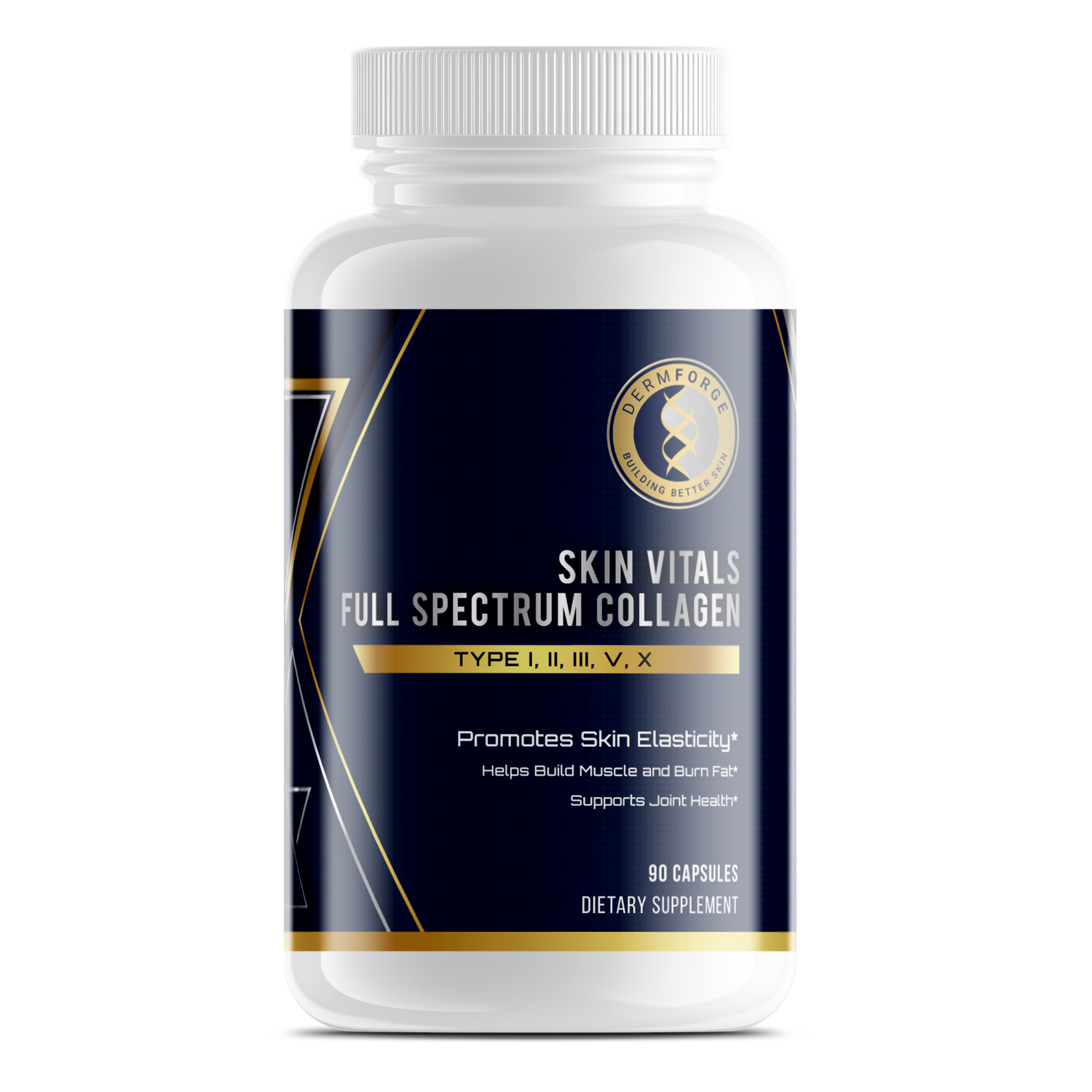
The DermForge Skin Care Variety Pack offers a combined approach. It may include supplements designed to support collagen production. As a result, you support firmness from within. Moreover, antioxidants in supplement form help neutralize free radicals. Since environmental stress affects your entire body, internal antioxidants complement topical serums.
When you pair supplements with targeted skincare, you create synergy. For example, you might use retinol at night to support cell turnover. At the same time, collagen supporting nutrients work internally. Therefore, your skin receives support from multiple angles. Additionally, hydration and balanced nutrition improve how your skin responds to products. Because your skin functions as an organ, internal health influences visible tone and texture.
Consistency drives meaningful change over time. While you may see short-term improvements from creams alone, internal support strengthens the foundation. Furthermore, combining internal and external care can improve resilience. When you support collagen, hydration, and antioxidant levels together, you give your skin better tools to repair and maintain itself. Over months, this balanced strategy can lead to smoother texture and improved elasticity.
Conclusion
Your skin performs different functions throughout the day and night. Therefore, your routine should reflect those shifts. Morning vs night skincare works best when you match products to purpose. During the day, you protect against sunlight and pollution. At night, you focus on repair and renewal.
When you choose lightweight antioxidants and sunscreen each morning, you prepare your skin for exposure. Because daily stress affects collagen and tone, protection supports long term results. Moreover, consistent hydration helps maintain balance and comfort. However, protection alone cannot address deeper concerns. That is why nighttime treatments play a central role.
In the evening, you apply targeted ingredients that support cell turnover. For example, retinol and peptides help improve texture and firmness. As a result, your skin can recover while you sleep. Furthermore, advanced tools and supportive supplements can strengthen your progress. Since your body repairs itself overnight, this window offers opportunity for correction.
Consistency ties everything together. While individual products matter, your habits shape outcomes over time. Therefore, commit to a routine you can maintain daily. Additionally, pay attention to how your skin responds and adjust thoughtfully. Because your skin changes with age and environment, flexibility supports better results. When you approach your routine with structure and patience, you create a balanced system that supports healthier looking skin over time.