Light therapy has become a common topic in modern skincare routines. Many people now use an LED Mask to support clearer and healthier looking skin. These devices use controlled light wavelengths during short treatment sessions. As a result, your skin absorbs light energy without heat or irritation.
However, many people feel uncertain about which light color they should choose. Red and blue light often appear similar in devices. Yet each wavelength works in a different way. Therefore, understanding these differences helps you choose the correct treatment.
Red light penetrates deeper layers of the skin. Consequently, it supports cellular activity related to skin firmness and repair. Many people use red light to address visible signs of aging. Over time, this wavelength may help soften the appearance of fine lines.
Blue light works closer to the skin surface. Therefore, it targets bacteria linked to acne development. These microorganisms often contribute to clogged pores and breakouts. As a result, blue light treatments may help reduce blemishes and congestion.
However, your skin concerns may not fall into one category. Some people experience breakouts while also noticing early aging changes. Therefore, choosing the right light setting may require a balanced approach. Understanding how each wavelength works helps you adapt your routine.
Additionally, modern skincare devices allow you to adjust light settings easily. This flexibility allows you to treat different concerns during separate sessions. As a result, you can tailor treatments based on how your skin behaves.
Therefore, learning how red and blue light function can guide better skincare decisions. Once you understand their roles, selecting the right treatment becomes more straightforward. Over time, consistent use may support clearer, calmer, and smoother looking skin.
Understanding LED Light Therapy in Skincare Devices
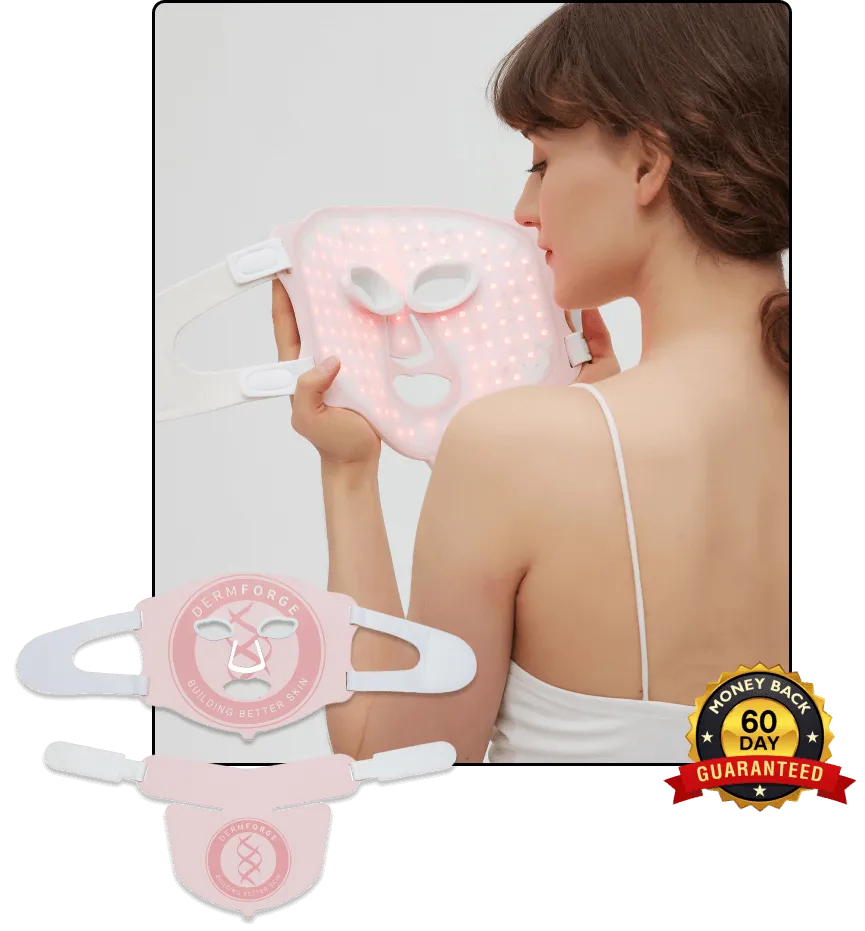
LED light therapy uses specific wavelengths of light to influence skin cells and support common cosmetic goals. Dermatologists have used this technology for years. Now many people use it at home with devices like the DermForge LED Therapy Mask. These devices expose your skin to controlled light energy during short treatment sessions. As a result, your skin absorbs light without heat or irritation.
LED technology works because different wavelengths interact with skin cells in different ways. Therefore, each color of light targets a specific concern. Some wavelengths reach deeper layers of the skin. Others act closer to the surface where bacteria and oil activity occur. Consequently, dermatology professionals often recommend different colors depending on the skin concern.
At-home tools make this technology accessible for regular skincare routines. For example, an LED Mask places light directly across your face for even coverage. As the device activates, small diodes emit specific wavelengths that your skin cells absorb. Your cells then respond by increasing certain biological activities.
Red light reaches deeper layers of the skin. Therefore, many people use it to support collagen activity and skin firmness. Blue light works closer to the skin surface. As a result, it often targets bacteria that contribute to acne and breakouts. Because these wavelengths act differently, users can choose treatments based on their skin concerns.
Additionally, consistent use often produces the most visible improvements. Short sessions performed several times each week allow light energy to interact with skin cells repeatedly. Over time, this repeated exposure can support clearer, calmer, and smoother looking skin.
Consequently, LED technology has gained strong interest within dermatology and aesthetic skincare. Clinics have used professional light therapy systems for years. However, modern devices now allow you to perform similar treatments at home. As technology advances, at-home tools continue to become more effective and convenient for everyday skincare routines.
How Red Light Therapy Supports Anti-Aging and Skin Repair
Red light therapy has become a popular option for people who want to support healthier looking skin. Dermatology clinics have used this technology for many years. Now, modern skincare devices allow you to perform similar treatments at home.
Red LED light penetrates deeper layers of the skin than many other light wavelengths. Therefore, it interacts with skin cells that influence firmness and structure. These deeper layers contain fibroblasts, which produce collagen and other supportive proteins.
When red light reaches these cells, it stimulates normal cellular activity. As a result, fibroblasts often increase collagen production. Collagen plays an important role in maintaining skin strength and elasticity. Over time, increased collagen activity may soften the appearance of fine lines.
Additionally, red light therapy can help support smoother skin texture. As collagen production increases, skin may appear firmer and more even. Therefore, many people use this treatment to address early signs of aging. Regular sessions can gradually support a more refreshed skin appearance.
Red light may also calm visible irritation in the skin. Consequently, many users report reduced redness and a more balanced complexion. Because the light penetrates deeper layers, it supports the skin’s natural repair processes. Over time, this activity may help the skin recover from daily environmental stress.
At-home devices make this technology easier to include in your routine. For example, an LED Mask delivers consistent light across the entire face. As the mask activates, small light diodes emit controlled wavelengths toward your skin.
Additionally, consistent use often leads to better visible improvements. Short sessions several times each week allow red light to interact with skin cells repeatedly. Therefore, your skin receives steady stimulation that supports collagen activity.
Over time, this repeated exposure can support smoother texture and improved elasticity. Consequently, red light therapy has become a widely used option for people seeking noninvasive skin rejuvenation.
Why Blue Light Is Effective for Acne and Breakouts
Blue light therapy has become a common option for managing acne and frequent breakouts. Dermatology clinics have used this technology for many years. Now many people include it in their home skincare routines.
Blue LED light works mainly on the skin surface. Therefore, it interacts with bacteria linked to acne development. These bacteria live within pores and contribute to inflammation and breakouts. When blue light reaches them, it disrupts their activity.
As a result, bacterial populations on the skin surface often decrease. Consequently, fewer bacteria may lead to fewer breakouts over time. Many dermatologists recommend blue light treatments for acne prone skin.
Blue light therapy can also support oil balance. Sebaceous glands produce oil that helps protect the skin. However, excessive oil often contributes to clogged pores and congestion. Therefore, controlling oil activity can reduce the chance of new blemishes.
Blue light exposure may help regulate this oil activity. As a result, pores may remain clearer and less congested. Additionally, reduced oil buildup can make the skin appear more balanced. Many users notice fewer blocked pores with regular treatments.
At home devices make this treatment simple to perform consistently. For example, an LED Mask delivers blue light evenly across your face. The device places small diodes close to the skin for direct exposure.
Consequently, the light reaches areas where acne bacteria commonly develop. Regular sessions allow repeated contact between blue light and these microorganisms. Over time, this repeated exposure can help reduce active breakouts.
Additionally, people with oily or congestion prone skin often benefit most from blue light therapy. These skin types frequently experience clogged pores and bacterial growth. Therefore, blue light treatments can support clearer looking skin.
With steady use, your skin may appear calmer and more balanced. As a result, blue light therapy remains a widely used option for managing acne concerns.

Comparing Red vs Blue Light: Penetration Depth and Skin Targets
Red and blue light therapy both support skin health, although they act in different ways. Therefore, understanding their differences helps you choose the correct treatment. Each wavelength interacts with different layers of the skin. As a result, each color targets different skin concerns.
Red light penetrates deeper into the skin than blue light. Consequently, it reaches layers where collagen producing cells operate. These cells influence firmness, elasticity, and overall skin structure. When red light reaches them, it stimulates cellular activity.
Therefore, red light therapy often supports collagen production and tissue repair. Over time, this activity may soften fine lines and improve skin texture. Additionally, deeper penetration allows red light to calm visible irritation. Many people also use it to support recovery after skin stress.
Blue light acts closer to the skin surface. As a result, it interacts with bacteria that contribute to acne development. These microorganisms live within pores and often trigger inflammation. When blue light reaches them, it disrupts their activity.
Consequently, bacterial levels on the skin may decrease with repeated exposure. Fewer bacteria often means fewer breakouts. Additionally, blue light can help regulate oil activity on the skin surface. Reduced oil buildup may help keep pores clearer.
Because these wavelengths act at different depths, they address different skincare goals. Therefore, your skin concern often determines which light you should use. Red light typically supports aging related concerns. Blue light often targets acne and congestion.
At home devices allow you to switch between these settings easily. For example, an LED Mask can deliver both red and blue light treatments. The mask positions small light diodes close to your skin.
As a result, your skin receives direct exposure to controlled wavelengths. Consequently, you can select treatments based on your current skin concerns. Over time, consistent use may support clearer and healthier looking skin.
When to Use Red and Blue Light Together for Better Results
Many modern skincare devices allow you to alternate between different light wavelengths during treatment sessions. Therefore, you can address multiple skin concerns in one routine. This flexibility has made light therapy more practical for people with combination skin concerns.
Red and blue light often work well together when breakouts and inflammation occur at the same time. Blue light targets bacteria that contribute to acne development. As a result, it helps reduce the microbial activity that triggers blemishes. Fewer bacteria can lead to fewer active breakouts.
However, acne often leaves the skin irritated or visibly inflamed. Therefore, red light therapy plays an important role in calming the skin. Red light penetrates deeper layers where skin repair activity occurs. As a result, it supports natural healing and tissue recovery.
Consequently, combining these two wavelengths may support clearer and calmer skin. Blue light addresses bacteria on the skin surface. Meanwhile, red light supports deeper skin repair processes. Together, these effects help manage acne while calming visible redness.
Many devices allow you to alternate treatments during different sessions. For example, you might use blue light during active breakouts. Then you can use red light to support recovery and reduce irritation. This approach allows your skincare routine to adapt to changing skin conditions.
At home tools simplify this process. For instance, an LED Mask allows you to switch between light settings easily. The mask places light diodes close to your skin for consistent coverage. As a result, each treatment delivers targeted wavelengths directly to your face.
Additionally, consistent use often improves overall results. Repeated exposure helps control acne bacteria while supporting skin repair. Over time, this balanced approach may reduce breakouts and visible redness.
Therefore, combining red and blue light often works well for acne prone skin. This approach addresses both bacterial activity and skin recovery within the same skincare routine.
Choosing the Right Setting on the DermForge LED Pink Mask for Your Skin Concern
Selecting the correct light setting often depends on your main skin concern. Therefore, you should first identify what you want to improve. Many people focus on aging, acne, or a combination of both. Once you understand your goal, choosing the correct light becomes easier.
Red light often works well for aging related concerns. It penetrates deeper layers where collagen activity occurs. As a result, many people use it to support firmer looking skin. Over time, red light treatments may soften the appearance of fine lines. Additionally, it can help calm visible irritation and support skin recovery.
Blue light focuses on concerns that appear closer to the skin surface. Therefore, people with oily or acne prone skin often prefer this setting. Blue light interacts with bacteria linked to breakouts. Consequently, repeated treatments may help reduce active blemishes. Many users also notice less congestion when they use blue light regularly.
Some people experience both breakouts and early signs of aging. Therefore, alternating treatments may work better for your skin. You might use blue light when breakouts appear more frequently. Then you can switch to red light to support skin repair and calm redness. This balanced approach allows you to address multiple concerns.
Devices such as the DermForge Light Therapy Mask simplify this process. The LED Mask places light diodes close to your face for even exposure. As a result, your skin receives consistent light during each treatment session.
However, consistency often influences your results more than occasional treatments. Many people perform short sessions several times each week. Therefore, regular use allows light therapy to interact with your skin repeatedly. Over time, these repeated sessions may support healthier looking skin.
Additionally, combine light therapy with a supportive skincare routine. Gentle cleansing and moisturizing help maintain balanced skin conditions. Consequently, your treatments may work more effectively alongside consistent daily skincare.
Conclusion
Choosing the right light therapy setting depends on understanding your skin and its needs. Therefore, knowing how red and blue light function helps guide your skincare decisions. Each wavelength works in a different way. As a result, each light targets different concerns.
Red light reaches deeper layers of the skin. Consequently, it supports collagen activity and skin repair. Many people use it to address fine lines and visible irritation. Over time, consistent treatments may help skin appear smoother and firmer.
Blue light works closer to the skin surface. Therefore, it targets bacteria associated with acne and breakouts. This action may help reduce congestion and active blemishes. As a result, many people with oily skin choose blue light treatments.
However, some skin concerns require a balanced approach. Therefore, alternating red and blue light treatments may provide broader benefits. Blue light can help control acne activity. Meanwhile, red light can support skin recovery and calm redness.
At home devices allow you to apply these treatments easily. For example, an LED Mask places light sources evenly across your face. As a result, your skin receives consistent exposure during each session.
Consistency often influences how well light therapy works for you. Therefore, many people perform several short treatments each week. Repeated sessions allow light to interact with your skin regularly. Over time, this repeated exposure may support healthier looking skin.
However, light therapy works best when combined with a supportive skincare routine. Gentle cleansing and moisturizing help maintain balanced skin conditions. Consequently, your treatments may work more effectively.
As you learn how your skin responds, adjusting your routine becomes easier. Therefore, you can select the most appropriate light setting for your current skin concerns. Over time, this approach can support clearer, calmer, and smoother skin.