Acne affects how you feel about your skin and your confidence. Therefore, many people seek options that support steady improvement without harsh routines. Blue light therapy has gained attention for addressing acne at its source. As a result, you may see it mentioned more often in professional skin care discussions.
Additionally, interest in light-based treatments reflects a shift toward noninvasive care. You want results that fit into daily life without complex steps. Therefore, at home solutions now attract people seeking consistency and control.
Moreover, acne management often requires patience and realistic expectations. You rarely see lasting change from quick fixes alone. As a result, understanding how treatments work helps you choose smarter options.
Additionally, LED technology now allows targeted treatment without clinic visits. You can follow a routine on your schedule. Therefore, consistency becomes easier to maintain over time.
Acne also varies by skin type and lifestyle factors. Because of this, flexible tools matter more than rigid systems. Consequently, light-based treatments offer adaptable support.
Furthermore, many people want treatments that work alongside existing skincare products. You do not want to overhaul your entire routine. As a result, compatibility becomes an important consideration.
Additionally, education plays a role in setting expectations. You benefit when you understand what a treatment can realistically deliver. Therefore, informed decisions reduce frustration and improve follow-through.
This guide explains how blue light fits into broader acne care. Moreover, it outlines who may benefit most from consistent use. As a result, you gain clarity before committing time or resources.
Ultimately, effective acne care combines knowledge, routine, and patience. You choose tools that align with your skin and habits. Therefore, progress feels steady and manageable rather than unpredictable.
What Blue Light Therapy Is and How It Works for Acne
Blue light therapy focuses on using specific visible wavelengths to address acne at its biological source. These wavelengths interact directly with acne-causing bacteria on your skin. As a result, you can target breakouts without harsh topical ingredients.
Specifically, blue light penetrates the upper layers of your skin where P. acnes bacteria thrive. When exposed, the bacteria produce light-sensitive compounds. Therefore, the light triggers a reaction that destroys the bacteria from within.
Additionally, this process reduces bacterial activity without damaging surrounding tissue. Unlike aggressive treatments, the skin barrier remains intact. As a result, you experience fewer side effects like dryness or irritation.
However, acne is not only a bacterial issue. Inflammation also plays a significant role in redness and swelling. Blue wavelengths help calm inflammatory responses, which supports a clearer and more even appearance.
Consequently, dermatology practices have used this approach for years in clinical settings. Over time, research supported its antibacterial and anti-inflammatory benefits. Therefore, professionals began recommending it as a complementary acne treatment.
Meanwhile, LED technology made this approach accessible at home. Modern LED masks deliver consistent wavelengths with controlled intensity. As a result, you can follow a routine without scheduling office visits.
Additionally, LED masks fit easily into your skincare routine. You use them on clean skin for short sessions. Therefore, consistency becomes realistic for your daily schedule.
Because of this convenience, many people now rely on blue light therapy for ongoing acne management. You gain control over treatment frequency. Moreover, you avoid repeated exposure to oral medications.
Ultimately, LED masks gained popularity because they combine science with practicality. You treat breakouts while supporting calmer skin. Therefore, they serve as a reliable option for long-term acne care.
Benefits of Using an LED Mask for Acne Prone Skin
Using an LED mask offers practical benefits when you manage acne prone skin over time. You address breakouts at their source instead of covering symptoms. As a result, your skin can look clearer and feel more balanced.
Consistent LED use helps reduce acne by targeting surface bacteria. Specifically, blue wavelengths disrupt bacterial activity linked to clogged pores. Therefore, you may notice fewer active breakouts with regular sessions.
Additionally, LED light supports calmer skin by easing inflammatory responses. Redness often fades as irritation decreases. Consequently, your complexion can appear more even and less reactive.
Over time, smoother texture becomes another visible benefit. When inflammation stays controlled, your skin repairs itself more efficiently. As a result, rough patches and uneven areas often improve.
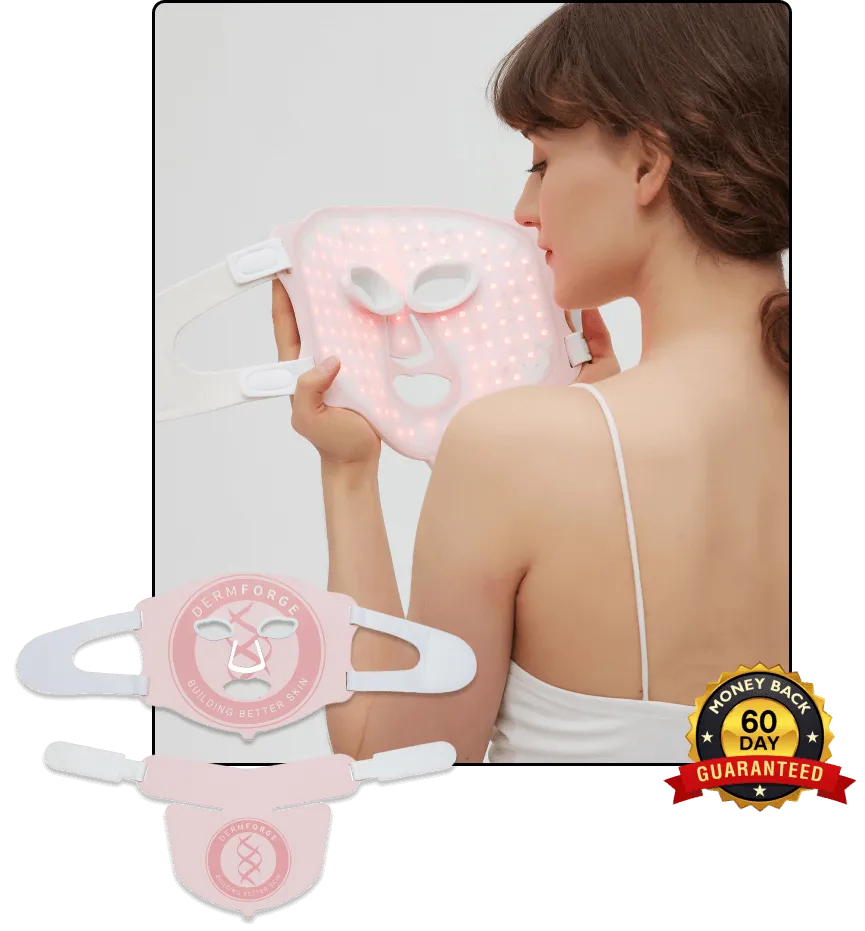
The DermForge LED Mask focuses on delivering controlled blue wavelengths directly to problem areas. This targeted approach helps limit bacterial growth across acne prone zones. Therefore, you support clearer skin without aggressive treatments.
Moreover, consistent use encourages balance rather than overcorrection. Your skin barrier stays intact while breakouts reduce gradually. As a result, dryness and sensitivity become less common.
Clinical experience has long supported blue wavelengths for their antibacterial effects. Additionally, professionals recognize their role in calming inflammation linked to acne. Therefore, this approach fits well into long-term skin management.
Because LED masks work without chemicals, you can pair them with your existing routine. You cleanse, treat, and continue daily care without disruption. Consequently, consistency becomes easier to maintain.
For many users, blue light therapy feels approachable and manageable at home. You control frequency and duration based on your skin’s response. Ultimately, the DermForge LED Mask helps you maintain clearer, calmer, and more predictable skin over time.

Comparing Blue Light with Other Wavelengths in LED Masks
LED masks use different wavelengths to support specific skin goals. Each wavelength interacts with your skin in a distinct way. Therefore, understanding these differences helps you choose treatments that match your concerns.
Blue wavelengths focus on the skin surface where acne bacteria live. Specifically, this light reaches pores where breakouts often begin. As a result, you can address active blemishes at their source.
Additionally, blue light disrupts bacterial activity that leads to inflammation and clogged pores. Over time, this reduces the frequency of new breakouts. Consequently, your skin can appear clearer and more stable.
Red wavelengths work deeper within the skin layers. These wavelengths support circulation and cellular activity. Therefore, they often assist with calming irritation and supporting overall skin recovery.
Infrared light penetrates even further beneath the surface. It supports tissue repair and natural healing processes. As a result, this wavelength often benefits post breakout recovery and texture concerns.
Because each wavelength serves a purpose, LED masks often combine multiple options. However, blue light remains the primary choice for active acne care. Therefore, it plays a specific role within a broader routine.
When you focus on acne reduction, blue light therapy targets bacteria without stressing your skin. Additionally, it avoids ingredients that may trigger sensitivity. As a result, many users find it suitable for consistent use.
Meanwhile, red and infrared light support long-term skin comfort. These wavelengths help your skin recover from inflammation linked to past breakouts. Consequently, they complement acne focused treatments.
By understanding how wavelengths function together, you can create a balanced skincare approach. You treat active blemishes while supporting repair. Ultimately, LED technology allows you to address acne and skin health with greater control.
Who Is a Good Candidate for Blue Light LED Acne Treatments
Blue light LED acne treatments work best for people with mild to moderate breakouts. You often see surface pimples, whiteheads, or inflamed pores. Therefore, this approach fits acne driven by bacteria near the skin surface.
Additionally, oily and combination skin types often respond well to this treatment. Excess oil creates an environment where bacteria multiply quickly. As a result, targeting that bacteria can reduce recurring blemishes.
People with sensitive skin may also benefit from this option. Because the treatment avoids harsh chemicals, irritation stays minimal. Consequently, you can manage breakouts without disrupting your skin barrier. Instead, realistic expectations matter from the start. Blue light therapy does not replace medical care for severe cystic acne. Therefore, deeper or hormonal acne may need additional support.
Consistency plays an important role in results. Most users apply treatments several times per week. As a result, bacterial levels decrease gradually rather than overnight.
Additionally, short sessions support safe and steady progress. You should follow recommended exposure times and avoid overuse. Consequently, your skin stays calm while improvements build.
Using clean skin before each session improves effectiveness. Therefore, cleansing removes oil and debris that block light penetration. This step helps the treatment reach target areas efficiently.
The DermForge LED Mask works well for at home use. It delivers controlled wavelengths without complicated setup. As a result, you can maintain a routine without clinic visits.
Moreover, this mask suits people seeking a non-invasive regimen. You manage treatment on your schedule. Therefore, consistency becomes easier to maintain.
Over time, users often notice fewer breakouts and calmer skin. Additionally, redness and irritation tend to decrease. Ultimately, blue light therapy fits best when you want gradual, predictable acne control.

Integrating LED Blue Light into Your Skincare Routine
Integrating LED blue light into your routine starts with clean, product free skin. Therefore, cleanse thoroughly to remove oil, sunscreen, and residue that block light exposure. After cleansing, dry your face completely before placing the mask on your skin. Additionally, use the device before applying serums, moisturizers, or spot treatments. This timing allows light to reach bacteria directly without interference from topical layers.
For most routines, three to five sessions per week support steady and visible improvement. However, follow device guidelines closely to avoid irritation from excessive exposure. Consistency matters more than intensity, so shorter regular sessions outperform infrequent long sessions. Once treatment ends, apply calming or hydrating serums suited to acne prone skin. Therefore, choose formulas without heavy occlusives that could trap heat or oil.
Blue light therapy pairs well with gentle cleansers and lightweight treatments used afterward. Additionally, avoid using photosensitizing products before sessions, including strong exfoliating acids. Another common mistake involves skipping eye protection or misaligning the mask during use. As a result, coverage becomes uneven and reduces overall treatment effectiveness.
Moreover, avoid applying makeup immediately after sessions to let skin normalize. When you follow proper steps, LED treatments fit easily into morning or evening routines. Therefore, patience and routine alignment help you achieve clearer skin over time.
Additionally, keep expectations realistic, since breakouts often decrease gradually over several weeks. Because routines vary, track your skin response and adjust frequency when needed. Meanwhile, store your device properly and clean it after each session. Consequently, you reduce irritation risks and maintain consistent performance across treatments.
Customer Results, Testimonials, and Long-Term Outcomes
Many users report noticeable improvements after consistent use of the DermForge LED Mask. Typically, you hear about fewer active breakouts within the first several weeks. As a result, skin often looks calmer and more balanced during daily wear.
Additionally, some users describe reduced redness around common problem areas. Because inflammation stays lower, your complexion can appear more even. Therefore, makeup applies more smoothly and feels less necessary.
Over time, users often mention smoother texture and fewer recurring flare ups. Consequently, you may spend less time reacting to sudden breakouts. Instead, your routine shifts toward maintenance rather than correction.
Several users also share confidence related outcomes. For example, you may feel more comfortable attending meetings or social events. As a result, clearer skin supports a more relaxed daily mindset.
Many testimonials highlight ease of use as a major benefit. Additionally, at home treatments help you stay consistent without appointments. Therefore, blue light therapy fits naturally into long term skin care habits.
Long term outcomes depend on routine and realistic expectations. Because acne develops over time, improvement also happens gradually. Consequently, users who commit to regular sessions report more stable results.
The DermForge LED Mask appeals to those seeking predictable progress. Moreover, users appreciate having control over treatment frequency and timing. As a result, consistency becomes easier to maintain week after week.
From a purchasing standpoint, buyers value transparent satisfaction policies. Therefore, return windows provide reassurance when starting a new device. This flexibility allows you to try the mask with confidence.
Overall, user experiences suggest steady improvement rather than sudden change. Additionally, reduced breakouts often support long-term confidence gains. Ultimately, consistent use can help you feel more in control of your skin.
Conclusion
Managing acne requires patience, consistency, and realistic expectations. Therefore, choosing tools that support long term care makes daily routines easier. You benefit most when treatments fit naturally into your lifestyle.
Throughout this discussion, you saw how light-based treatments support acne control. Additionally, you learned how routines, skin type, and consistency influence results. As a result, you can approach treatment decisions with greater confidence.
Blue light therapy stands out because it targets bacteria without aggressive ingredients. Therefore, you can reduce breakouts while keeping your skin calm. This balance supports steady improvement instead of reactive cycles.
Moreover, at home LED masks give you control over timing and frequency. You avoid appointments while maintaining regular care. Consequently, treatment becomes easier to sustain over months.
Long-term improvement depends on routine alignment and patience. Additionally, pairing treatments with gentle skincare supports better outcomes. As a result, your skin often responds with fewer flare ups.
It also helps to set practical goals early. You may notice gradual changes rather than sudden shifts. Therefore, tracking progress over weeks offers clearer perspective.
Consistency builds confidence beyond visible results. When breakouts feel predictable, daily stress often decreases. As a result, you may focus less on correction and more on maintenance.
Ultimately, acne management works best as a steady process. You choose tools that respect your skin and your schedule. Therefore, progress feels manageable rather than overwhelming.
By staying consistent and informed, you support clearer skin over time. Additionally, you gain confidence in your routine choices. This approach helps you feel more in control of your skin each day.