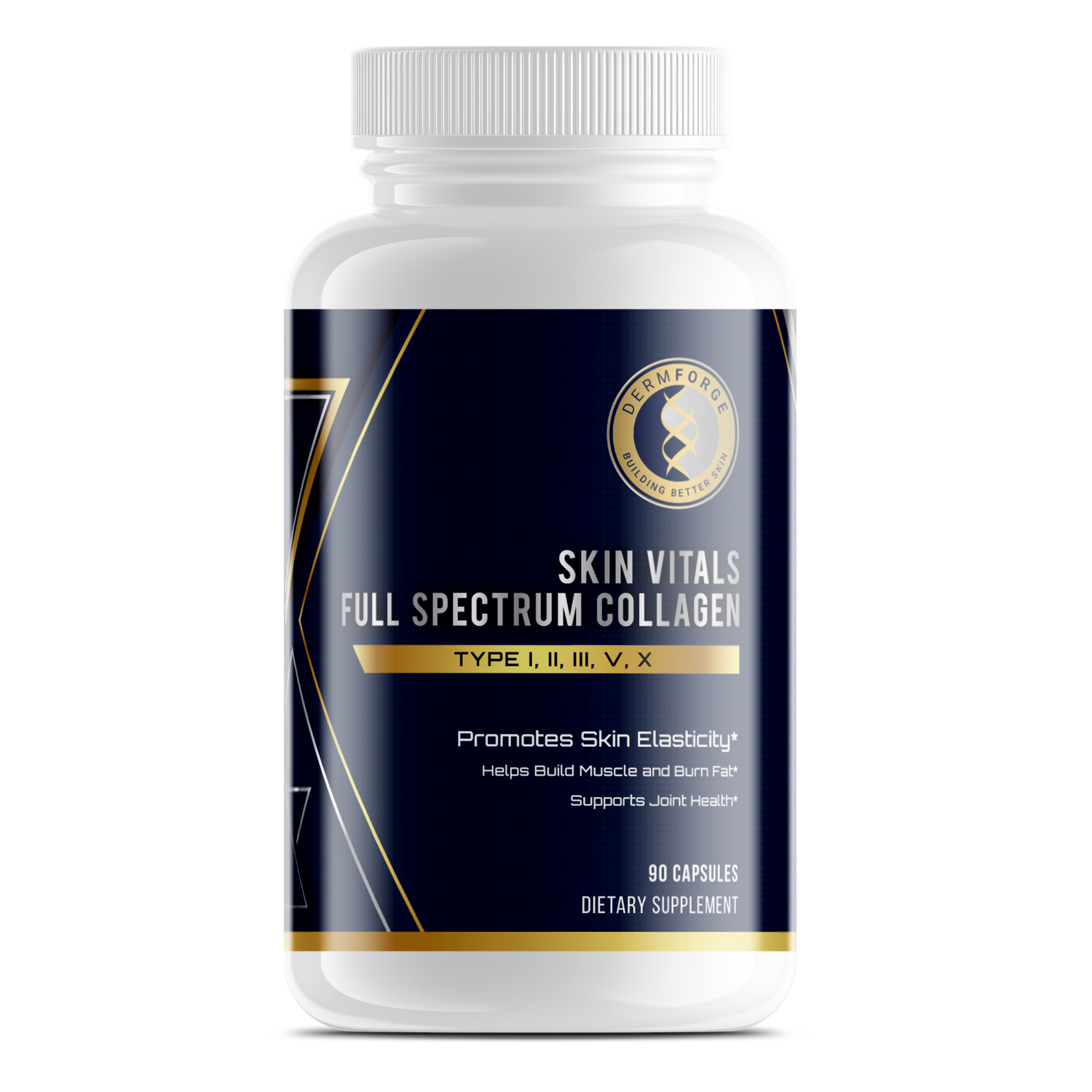
Skin health often reflects what happens beneath the surface. Therefore, many people look beyond topical care for long term support. You notice changes over time as internal systems shift. As a result, interest in nutrition-based approaches continues to grow. Within this context, collagen supplements have become a common topic in wellness conversations. Additionally, they attract attention for their role in skin structure and resilience.
Collagen exists naturally throughout your body. Moreover, it supports skin firmness, elasticity, and hydration. Over time, natural collagen production slows. Consequently, skin may appear thinner or less smooth. This gradual change often prompts questions about proactive support.
Understanding collagen helps you make informed choices. Therefore, learning how collagen functions adds clarity to wellness decisions. Additionally, knowing the different collagen types explains why formulas vary. This knowledge helps align products with your personal goals.
Format and sourcing also shape your experience. Moreover, powders, capsules, and blended options offer different advantages. As a result, consumers compare ease of use, dosage, and consistency. These factors influence daily habits and long-term use.
Quality expectations continue to rise. Therefore, sourcing and purity matter more than ever. Additionally, people value transparency and simple ingredient profiles. This preference affects purchasing behavior across wellness categories.
Routine matters as much as product choice. Moreover, consistency supports gradual results. When a routine fits your lifestyle, adherence improves. Consequently, benefits feel more sustainable.
This topic connects skin appearance with broader wellness. Additionally, collagen supports connective tissues beyond the skin. This connection explains its wide appeal. As a result, collagen remains relevant across beauty and wellness discussions.
You benefit most from clear, practical information. Therefore, exploring how collagen works sets realistic expectations. Additionally, understanding use and format supports better routines. This foundation helps you approach skin health with confidence and clarity.
Why Collagen Matters for Skin Health
Collagen forms the structural framework that keeps your skin smooth, firm, and resilient. Therefore, when collagen levels stay strong, your skin holds its shape and bounce. Over time, your body produces less collagen, and visible aging follows. As a result, skin can appear thinner, drier, and less elastic.
Type I collagen makes up most of your skin’s support system. Additionally, it gives skin strength and helps maintain a smooth surface. Type III collagen works alongside it to support flexibility and softness. Consequently, these two types help your skin stretch and recover without creasing.
As collagen declines with age, fine lines begin to settle into the skin. Therefore, reduced firmness allows wrinkles to form more easily. Additionally, weaker collagen networks struggle to retain moisture. As a result, your skin may feel dry and look dull.
Hydration depends on a strong internal structure. Moreover, collagen helps your skin hold water within its layers. When hydration improves, your skin looks plumper and smoother. Consequently, fine lines appear less noticeable during daily movement.
Collagen also supports skin repair and renewal. Therefore, your skin responds better to stress from sun exposure and environmental factors. Additionally, steady collagen levels support a more even texture over time. This process helps your complexion appear healthier and more consistent.
Many people explore collagen supplements to support this natural process. Therefore, they aim to replenish what aging gradually reduces. When combined with a balanced routine, collagen intake supports skin comfort and flexibility.
Ultimately, collagen matters because it influences how your skin looks, feels, and ages. Additionally, it supports firmness, elasticity, and hydration from within. As a result, your skin maintains a smoother appearance and stronger structure as you age.
Understanding the Science Behind Type I and Type III Collagen
Type I and Type III collagen play different but connected roles in your body. Therefore, understanding how they function helps you make informed wellness choices. Both types support structure, strength, and flexibility across skin and connective tissues.
Type I collagen serves as the primary building material in your skin. Additionally, it supports bones, tendons, and ligaments. This collagen type gives your skin firmness and resistance to stretching. As a result, your skin maintains a smoother and more stable surface.
Type III collagen supports softness and flexibility. Moreover, it appears in tissues that need elasticity, including skin and blood vessels. This type helps your skin adapt to movement and daily stress. Consequently, your skin feels more supple and resilient.
Although these collagens differ, they work together within the skin. Therefore, Type I provides structure while Type III supports flexibility. When both remain present, your skin balances strength with comfort. As a result, your skin looks firm without feeling tight.
As you age, production of both collagen types declines. Consequently, your skin loses density and elasticity over time. Additionally, weakened support can affect joints and connective tissues. This shift influences how your body handles physical stress.
Because of this relationship, combined collagen formulas attract attention. Therefore, collagen supplements often include both Type I and Type III. This pairing supports skin structure while also supporting movement and tissue comfort. Additionally, the combination aligns with how collagen naturally exists in your body.
Beyond skin appearance, these collagens support overall wellness. Moreover, they contribute to joint comfort and tissue strength. When your connective tissues feel supported, daily activity becomes easier.
Ultimately, Type I and Type III collagen work as partners. Therefore, their combination supports skin health and physical balance. When you understand this science, you can align your wellness routine with your body’s natural design.
The Benefits of High-Dose Collagen Supplementation
High dose collagen intake attracts attention for its visible skin benefits. Therefore, many people add it to daily wellness routines. You often notice changes gradually with consistent use.
Skin hydration improves when collagen intake supports internal moisture balance. Additionally, collagen helps your skin retain water more effectively. As a result, your skin feels smoother and looks more refreshed.
Elasticity also responds to higher collagen intake. Therefore, your skin stretches and rebounds with greater ease. Over time, this support helps reduce the appearance of sagging. Consequently, facial contours appear more defined.
Fine lines relate closely to collagen loss. Additionally, reduced collagen weakens the skin matrix. With regular intake, collagen supports skin density. As a result, wrinkles may appear softer during movement.
High dose formulas focus on providing enough building blocks daily. Therefore, your body can maintain steady collagen activity. Additionally, consistent intake supports long term structural support. This approach aligns with natural skin renewal cycles.
Oral collagen also supports skin comfort from within. Moreover, hydrated skin often feels calmer and less tight. When your skin feels balanced, daily care routines feel more effective.
Many people choose collagen supplements for predictable daily intake. Therefore, you control the amount your body receives. This consistency supports steady results over time.
Skin appearance often improves alongside texture. Additionally, smoother texture reflects stronger internal support. As a result, makeup applies more evenly and skin appears healthier.
Beyond appearance, collagen supports overall wellness. Moreover, connective tissues benefit from regular collagen intake. When tissues feel supported, daily movement feels easier.
High dose collagen fits well into simple routines. Therefore, you can mix it into drinks or meals easily. This flexibility helps you stay consistent.
Consistency matters more than speed. Additionally, gradual improvements align with natural skin cycles. Over weeks, your skin adapts to steady collagen support.
Hydration and elasticity work together in skin health. Therefore, collagen supports both processes at once. This dual benefit explains its growing popularity.
Your skin reflects internal support over time. Additionally, collagen intake supports that foundation daily. As a result, your skin maintains a smoother appearance longer.
Regular intake supports visible and functional skin changes. Therefore, high dose collagen remains a practical wellness option. You support skin health through steady, informed habits.

Grass-Fed Sourcing: Quality, Purity and Consumer Appeal
Grass fed sourcing plays a major role in how you judge collagen quality. Therefore, many consumers associate grass fed collagen with cleaner production standards. This perception influences trust and purchasing decisions.
Grass fed animals typically follow more natural feeding practices. Additionally, these practices align with consumer expectations around transparency. As a result, you may feel more confident about ingredient origins.
Purity matters when you add supplements to your routine. Therefore, grass fed collagen often signals fewer unwanted additives. Additionally, controlled sourcing reduces concerns about contamination. This clarity appeals to health focused buyers.
Amino acid composition also shapes collagen quality. Moreover, grass fed collagen provides consistent building blocks that support skin and connective tissues. Consequently, you associate it with reliable performance and steady intake.
Health focused consumers often value simplicity. Therefore, grass fed sourcing supports a clean label mindset. Additionally, fewer processing steps match preferences for straightforward nutrition. This approach fits well with mindful routines.
Trust grows when sourcing aligns with values. Moreover, grass fed claims suggest attention to animal welfare. As a result, your purchase feels more intentional and informed.
Collagen supplements often compete on quality perception. Therefore, grass fed sourcing helps products stand out. Additionally, it signals a premium positioning without complex messaging.
Consistency also matters in daily use. Moreover, grass fed collagen offers predictable composition across servings. This stability supports routine building and long-term habits.
Consumers also associate grass fed products with purity. Therefore, you may expect fewer fillers or unnecessary ingredients. This expectation shapes brand loyalty over time.
Marketing plays a role in consumer appeal. Additionally, grass fed labels communicate quality quickly. As a result, you recognize the benefit without deep research.
Beyond perception, sourcing supports peace of mind. Moreover, knowing where ingredients come from builds confidence. This confidence supports consistent use.
Grass fed collagen fits modern wellness priorities. Therefore, it aligns with clean eating and mindful supplementation. Additionally, it supports trust driven purchasing decisions.
Your choices reflect both values and outcomes. Moreover, grass fed sourcing speaks to both. As a result, it continues to resonate with health-conscious consumers.
How to Use Collagen Powder in Daily Routines
Collagen powder fits easily into simple daily routines. Therefore, you can add it without changing your schedule. Many people prefer flexible options that feel natural.
You can mix collagen powder into beverages you already enjoy. Additionally, it blends well into coffee, tea, smoothies, and protein shakes. Warm liquids often help it dissolve faster. Therefore, stirring steadily improves texture and taste.
Meals also offer easy opportunities. Moreover, you can add collagen to yogurt, oatmeal, or soups. This approach keeps flavors familiar. As a result, your routine stays consistent and comfortable.
Timing often depends on preference rather than strict rules. Therefore, some people take collagen in the morning with breakfast. Others prefer evening use alongside meals. Additionally, consistency matters more than the clock.
Dosage plays a role in daily use. Therefore, you should follow the serving size listed on the label. Staying within recommended amounts supports steady intake. Moreover, spreading servings across the day can feel easier.
Mixing technique affects experience. Additionally, you should add powder slowly while stirring. This method reduces clumping. As a result, drinks feel smoother and more enjoyable.
Collagen also fits into beauty focused routines. Moreover, people pair oral intake with topical skincare habits. This pairing supports a full approach to skin care. Therefore, your routine feels more intentional.
Preparation takes little time. Additionally, premixing powder into meal prep saves effort later. This habit supports daily consistency. As a result, you avoid skipped days.
Travel and busy schedules require flexibility. Therefore, collagen powder travels easily in small containers. You can add it wherever meals happen. This convenience supports regular use.
Many people include collagen supplements as part of long-term wellness habits. Therefore, simple routines encourage follow through. Additionally, ease of use supports lasting consistency.
Your routine should feel practical and repeatable. Moreover, small steps build lasting habits. As a result, collagen powder becomes a natural part of your day.
Comparing Collagen Powder Formats and Market Trends
Collagen formats continue to evolve as consumer preferences shift. Therefore, you see powders, capsules, and blended formulas across wellness markets. Each option serves different routines and expectations.
Powdered collagen remains popular for daily use. Additionally, powders allow higher serving sizes without swallowing multiple capsules. As a result, you can manage intake more easily.
High dose powders appeal to people focused on skin outcomes. Moreover, powders mix into drinks or meals without much effort. This flexibility supports consistent habits. Consequently, you maintain steady intake over time.
Capsules offer convenience for travel or busy days. Additionally, they provide premeasured amounts. However, capsule formats often limit total dosage per serving. Therefore, you may need several capsules daily.
Multi type formulas attract interest for broader wellness goals. Moreover, they combine different collagen types in one product. This approach appeals to people seeking joint and skin support together. Consequently, demand continues to grow.
Market trends show rising interest in transparency and simplicity. Therefore, powders with clear labeling attract loyal buyers. Additionally, consumers value formats they can customize daily.
Powders also support hydration focused routines. Moreover, mixing collagen into water or smoothies encourages fluid intake. This habit supports skin appearance and comfort. As a result, powders fit skin centered goals.
Taste and texture influence long term use. Therefore, neutral flavored powders gain popularity. Additionally, easy mixing improves daily experience. This ease supports routine adherence.
Consumers often research value per serving. Consequently, powders compare favorably on cost efficiency. You receive more servings per container. Therefore, budgets stretch further.
Collagen supplements compete across wellness categories. Additionally, powders align with fitness, beauty, and nutrition trends. This versatility expands their appeal.
Your choice depends on routine and goals. Moreover, powders offer flexibility that many people prefer. As a result, they remain a leading format.
Market growth reflects demand for practical solutions. Therefore, powdered collagen continues to dominate shelves. Additionally, it supports skin focused and broader wellness routines.
Conclusion
Collagen plays a steady role in how your skin looks and feels over time. Therefore, understanding its function helps you make informed daily choices. You support your skin best through consistent habits.
Throughout this discussion, collagen appears as a foundational protein. Additionally, it supports structure, hydration, and elasticity. These elements influence how your skin ages and responds to stress.
Daily routines shape long term results. Therefore, small actions repeated over time matter. When you stay consistent, your skin adapts gradually.
Sourcing and format also affect your experience. Moreover, clean sourcing builds confidence in what you consume. As a result, your routine feels intentional and reliable.
High dose formulas appeal to people seeking visible support. Additionally, powders offer flexibility and easy integration. This ease encourages regular use without disruption.
Your routine works best when it fits your lifestyle. Therefore, simple preparation supports follow through. When habits feel manageable, you maintain them longer.
Skin health reflects internal support over time. Moreover, hydration and elasticity respond to steady input. As a result, your skin appears smoother and more resilient.
Wellness goals often extend beyond appearance. Additionally, connective tissue support affects comfort and movement. This broader impact adds value to daily collagen intake.
Many people choose collagen supplements as part of long-term care. Therefore, they focus on consistency rather than quick changes. This mindset aligns with natural skin cycles.
You benefit most when you align products with your needs. Moreover, clear labeling and practical formats simplify decisions. This clarity supports confident choices.
Your skin responds to what you provide daily. Therefore, thoughtful routines support lasting results. Each habit contributes to overall skin comfort.
Collagen fits into wellness without complexity. Additionally, it integrates into meals and beverages easily. This flexibility supports ongoing use.
Ultimately, your approach shapes outcomes. Moreover, informed decisions build stronger routines. As a result, your skin reflects steady care and balance over time.