Fine lines around your eyes can show up earlier than you expect, and they often deepen over time. These lines, known as crow’s feet, form because the skin in that area is thin and moves often. Therefore, many people look for options that help keep the area smooth and supported. You may already have heard of retinol for crow’s feet, since retinol remains a popular choice for targeted care. Additionally, understanding how it works can help you decide if it fits into your routine. Your decisions feel easier when you know what each product can offer your skin.
Crow’s feet form slowly as collagen and elastin decline with age. Your daily expressions also shape these lines because the skin around your eyes stretches and contracts repeatedly. Therefore, caring for this area takes a thoughtful approach. You may notice that small steps make a difference when used consistently. Additionally, sun exposure and dryness can make these fine lines stand out more. Paying attention to these factors helps you choose products that support the skin instead of overwhelming it.
Retinol remains a trusted option because it works with the natural processes in your skin. It supports cell turnover and helps the area appear smoother over time. Therefore, many people turn to eye-specific formulas that feel gentle enough for daily use. You can pair these formulas with sunscreen and hydration to create a balanced routine. Additionally, building consistency often leads to more visible improvements.
Your eye area deserves care that matches its delicate nature. You can explore options that feel comfortable and effective without adding unnecessary complexity. Therefore, taking the time to learn how each step works helps you make informed decisions. Additionally, small adjustments in your routine can support long-term comfort and healthier-looking skin.
What Are Crow’s Feet and Why They Form
Crow’s feet appear as small lines at the outer corners of your eyes, and they tend to deepen over time. These lines form because the skin around your eyes is thin and moves often. Therefore, every smile, squint, or expression creates repeated motion in that delicate area. Over the years, this constant movement shapes fine lines that become more visible. Aging also plays a role because your skin slowly produces less collagen and elastin. These proteins keep your skin firm, so their decline makes lines easier to see.
Additionally, sun exposure speeds up the process. UV rays break down collagen faster, so the skin loses strength sooner. As a result, you may notice crow’s feet forming earlier than expected. Squinting in bright light also contributes, since frequent tightening around your eyes creates more creases. Dryness can make the lines appear sharper as well. Therefore, using products that support hydration helps soften their appearance. Many people explore options like retinol for crow’s feet because they want targeted support for this delicate area.
Your lifestyle habits also influence how these lines develop. For example, long periods outdoors without sunglasses may lead to more squinting. Sleeping on your side can press the skin repeatedly, which encourages visible creasing. Additionally, high stress levels may affect your skin by reducing overall elasticity. When elasticity drops, the skin struggles to bounce back after movement.
Therefore, learning why crow’s feet form helps you understand how to care for that area in a more focused way. You can take steps that support smoother skin, and you can choose products that work well for the eye region. The goal is not perfection, since lines around the eyes are a natural part of facial expression. Instead, the aim is to help your skin stay healthy, strong, and comfortable as time passes.
How Retinol Works to Combat Crow’s Feet
Retinol works as a form of vitamin A that supports smoother and firmer skin. It encourages healthy cell turnover, so older surface cells shed more regularly. Therefore, your skin can reveal fresher and more even layers over time. This process helps soften fine lines around your eyes because the surface becomes smoother. Additionally, retinol supports collagen production. Collagen gives your skin structure, so more of it helps the skin feel stronger. Your crow’s feet can appear less noticeable when the skin has better support.
Retinol also encourages elastin activity. Elastin allows your skin to stretch and return to shape. As elastin levels drop with age, the skin becomes less flexible. Therefore, movement around your eyes creates more visible creases. When retinol supports elastin, your skin may respond better to daily expressions. Additionally, consistent use can help the eye area feel firmer. Many people explore retinol for crow’s feet because they want something that works with the natural processes in their skin.
Your skin may respond gradually because cell turnover and protein production take time. Therefore, you want to give your routine enough consistency to see meaningful changes. You can start slowly to help your skin adjust, especially if you experience dryness. Additionally, a hydrating eye product can support comfort while you use retinol. Over time, the outer corners of your eyes may look smoother and more refreshed as the skin adapts.
Retinol remains a popular option because it supports the fundamental building blocks of healthy skin. It helps the skin behave more like it did when production of collagen and elastin was higher. Therefore, your routine can feel more effective as the weeks pass. With regular use, the area around your eyes can develop a softer and more even look that supports a healthy appearance.
Why an Eye-Specific Retinol Cream Matters vs. Regular Face Creams
The skin around your eyes behaves differently from the skin on the rest of your face. It is thinner, more delicate, and quicker to show signs of movement and aging. Therefore, using a product made for that area helps you care for it in a more comfortable way. Eye-specific creams often use gentler levels of active ingredients. This approach supports your skin without overwhelming it. Additionally, the textures in these formulas spread easily and stay where they are placed, which is important near the orbital bone.
Regular face creams often carry stronger concentrations of active ingredients. These formulas can feel too intense for the eye area because the skin there absorbs more quickly. Therefore, using them near your eyes may lead to irritation or dryness. A targeted eye cream helps you avoid that problem. DermForge’s eye cream, for example, uses a balanced formula that suits the thinner skin near your eyes. Additionally, the texture feels smooth enough to apply without pulling or stretching the area. Many people rely on options like this when they want retinol for crow’s feet that feels comfortable.
Your eyes also move constantly throughout the day. Smiling, blinking, and squinting create repeated motion in that region. Therefore, you benefit from a product that can support the skin through those small movements. Lighter textures allow the area to flex without feeling tight. Additionally, eye formulas often include soothing ingredients that pair well with active ones. This helps the skin stay calm while still receiving the benefits of retinol.
Choosing an eye-specific retinol product can make your routine easier to maintain. You can apply it confidently without worrying about unnecessary irritation. Therefore, you focus more on steady results and consistent care. With regular use, a well-designed eye product helps the delicate area look smoother and more supported over time.
How to Use Retinol Eye Cream Safely and Effectively
Using a retinol eye cream works best when you apply it with care and consistency. You only need a small amount for each eye. Place it along your orbital bone, since that area absorbs product well without overwhelming the delicate skin. Therefore, you support the skin without creating irritation. You can tap the cream gently with your ring finger to avoid extra pressure. Additionally, keep the product away from your eyelids, since that area is more sensitive. Many people use retinol for crow’s feet to target the outer corners, so focusing on that region helps your routine feel more intentional.
Starting slowly helps your skin adjust to retinol. You can begin with two or three nights per week. Therefore, your skin has time to adapt to the active ingredient. As your skin becomes more comfortable, you can increase frequency based on how it responds. Additionally, pairing the eye cream with a hydrating product can help reduce any dryness. Nighttime use works well because retinol increases photosensitivity. Therefore, applying it at night helps you avoid unnecessary sun exposure while the product settles into your skin.
If you decide to use it in the morning, you want to follow with a broad-spectrum sunscreen. Retinol makes your skin more sensitive to UV light. Therefore, sun protection becomes a key step. Consistency matters, so choose a schedule that fits your routine. Additionally, take your time when applying the cream so you avoid rubbing or pulling the area. Over time, the delicate skin around your eyes may feel smoother and more supported.
With steady use, the product can work with your skin’s natural rhythm. You help the area adjust while still receiving the benefits of the active ingredient. Therefore, the routine becomes easier and more comfortable. The goal is to create a pattern that supports healthy skin while keeping irritation low.
What to Expect: Timeline for Seeing Results and Possible Side Effects
When you begin using a retinol eye cream, you may wonder how long it takes to notice changes. Most people see gradual improvements rather than quick shifts. Therefore, give your skin several weeks to respond. Many eye creams show visible changes between four and twelve weeks. During this time, fine lines may look softer as cell turnover increases. Additionally, the texture around your eyes may feel smoother as the skin adjusts to regular use. Products that support firmness can also help your outer eye area feel more resilient. Many people choose retinol for crow’s feet because it works with the natural rhythm of the skin.
As the weeks go by, consistency plays a big part in your results. Therefore, you want to apply your eye cream on a steady schedule. Your skin responds slowly to retinol because the process involves renewal beneath the surface. Additionally, hydration helps keep the area comfortable while the retinol works. You may notice small changes at first, and those changes can build over time. The goal is progress that feels balanced rather than quick or dramatic.
Some users experience mild side effects during the first phase of use. These may include dryness, light redness, or slight flaking. Therefore, starting slowly helps lower the chance of irritation. You can reduce frequency if your skin feels uncomfortable. Additionally, using a gentle moisturizer can soften any dryness that appears. Many people find that irritation fades as the skin becomes more familiar with the product.
If your skin reacts strongly, you can pause for a few days and then return to a lighter schedule. Therefore, you can stay consistent without overwhelming the delicate area. The goal is to support the skin rather than push it. Over time, most people settle into a routine that feels smooth and manageable. With patience, the eye area often looks softer, firmer, and more balanced.
Complementary Skincare Habits to Maximize Retinol’s Effectiveness
Supporting your retinol eye cream with simple habits can help you get the most from your routine. Daily sunscreen protects your skin from further photo-aging, since UV exposure makes fine lines appear more noticeable. Therefore, applying sunscreen each morning keeps the delicate eye area shielded. You can pair this with a gentle moisturizer to help maintain hydration. Additionally, consistent moisture makes the skin feel more comfortable as it adjusts to the retinol. Many people find that these steps help retinol for crow’s feet work more smoothly.
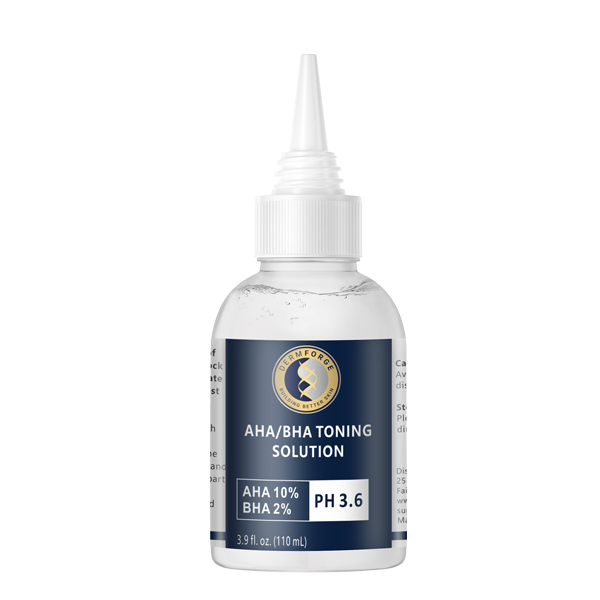
Limiting the use of other strong actives near your eyes also matters. AHAs and BHAs can feel too intense for the thin skin in that region. Therefore, using them on other parts of your face while avoiding the orbital area may prevent unnecessary irritation. You can also pay attention to how your skin reacts after each application. Additionally, reducing friction when cleansing or applying products keeps the area calmer and more balanced.
Using your retinol eye cream as part of a broader routine makes a difference. Your skin responds better when all steps support each other. Therefore, think about how your cleanser, moisturizer, sunscreen, and eye cream work together. A routine that creates steady comfort helps you stay consistent. Additionally, keeping your routine simple allows you to notice changes more easily over time.
Healthy lifestyle habits also support your skin. Hydration, balanced nutrition, and steady sleep contribute to the strength of the eye area. Therefore, these habits complement the work of your topical products. Over time, these small decisions help your skin feel more resilient. With a steady approach, you can maintain an eye routine that supports smoother and more comfortable skin.
Conclusion
Your eye area benefits from steady care, and a thoughtful routine can help you support that delicate skin. Therefore, taking time to understand how products work gives you more confidence in your choices. You can approach your routine with a clear plan that fits your needs. Additionally, focusing on consistency helps your skin respond at a comfortable pace. Many people find that a targeted product such as retinol for crow’s feet offers meaningful support over time.
Retinol works gradually, so you want to give your skin the space it needs to adapt. Therefore, patient and steady use often leads to the most natural looking improvements. You may notice softer lines or smoother texture as the weeks pass. Additionally, pairing your eye cream with sunscreen and hydration helps maintain balance in the area. These choices support your results by creating a stable environment for the skin.
Your routine does not need to feel complicated. You can choose a few steps that work well together and stick with them each day. Therefore, you avoid overwhelming your skin with too many strong products at once. Additionally, paying attention to how your skin feels allows you to adjust your schedule when needed. Small changes often make the routine more comfortable and sustainable.
Eye care becomes easier when you think about the long term. You create habits that support a healthy appearance without rushing the process. Therefore, your skin has the opportunity to grow stronger and more balanced over time. Additionally, you may feel more confident as you see improvements develop at a steady pace. With consistent use, smart habits, and a product that fits your needs, your eye area can stay smooth and supported.